News

fib members badges

02.02.2026   News

Members’ badges are now available for those who wish to share their membership on social media or personal websites.

Read more
Redbubble shop

21.01.2026   News

Have you ever imagined starting the day with a fib mug on your desk, turning up to an event in a fib T-shirt, or keeping project notes in a fib-branded notebook? These everyday items already exist — and they’re easy to get.

Read more
Join the fib Special Activity Group 2 – AI & Digitalisation

29.10.2025   News

Digitalisation and Artificial Intelligence (AI) are transforming the way we design, construct, and maintain concrete structures. The fib Special Activity Group 2 (SAG2) explores how these technologies can enhance efficiency, sustainability, and resilience in structural concrete engineering — while ensuring ethical integrity and human oversight remain at the core of engineering practice.

Read more
SAG on Sustainability | call for case studies

16.10.2025   News

The fib Special Activity Group on Sustainability is developing a new fib Bulletin focused on documenting best practices for sustainability within structural concrete applications. This publication is designed to become a comprehensive resource that rigorously blends the latest research advancements with documented real-world applications.

Read more
CARBCOMN: Advancing Low-Carbon Concrete for a Sustainable Future

17.09.2025   News

fib members Stijn Matthys (Ghent University, coordinator of CARBCOMN), Enzo Martinelli (TESIS), Christoph Czaderski (EMPA), Thanasis Triantafillou and Corina Papanikolaou (University of Patras), and Julien Michels (re-fer) played a key role in the CARBCOMN project (“CARBon-negative COMpression dominant structures for decarbonized and deconstructable CONcrete buildings”).

Read more
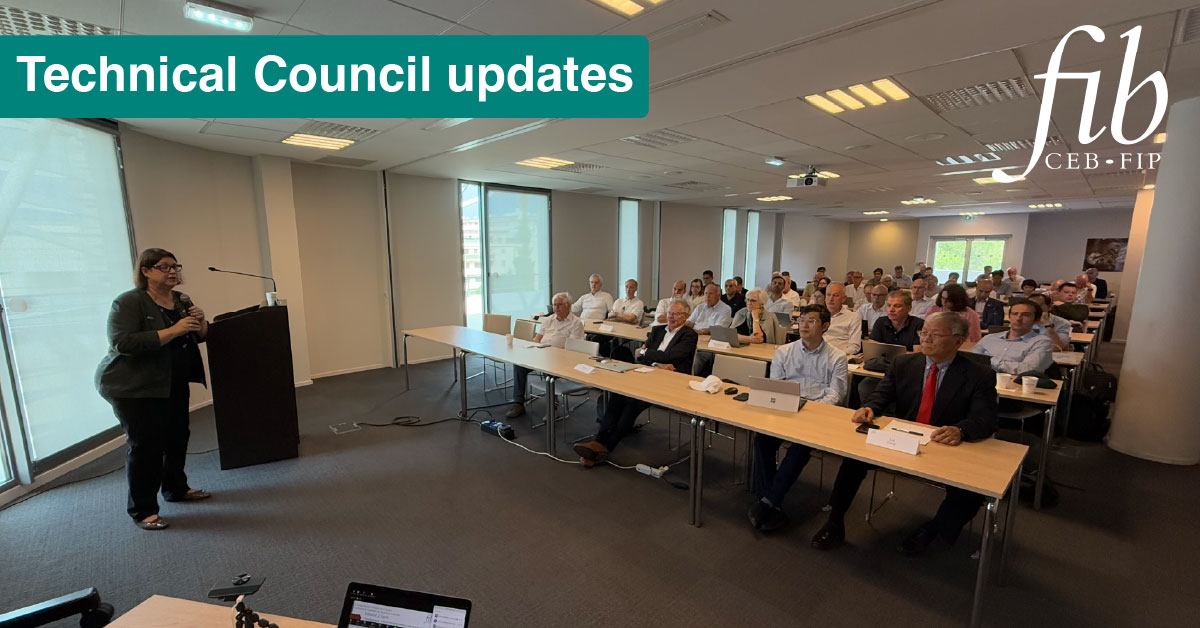
fib Technical Council updates

15.07.2025   News

The fib Technical Council reviewed developments across its Commissions and approved a number of important updates and new initiatives during its June 2025 meeting in Antibes.

Read more
fib President Iria Doníak's address

08.01.2025   News

It has been twenty-five years since the integration of the CEB and the FIP to form our Federation, the fib. Yes, it is truly ours, as the sense of belonging we share moves us to improve and innovate in our practice. Today, we bring together 42 countries with official delegations, along with associated professionals and companies, all committed to investing in concrete engineering to promote sustainable development. Our most valuable asset is the global structure of our debates, where we listen to the world and build convergences.

Read more
GLOBE welcomes its new leaders

02.07.2024   News

GLOBE is the Global Consensus on Sustainability in the Built Environment. The Joint Committee on the GLOBE Consensus (JCGC) is dedicated to reducing Green House Gas (GHG) emissions from the construction sector.

Read more
fib Model Code (2020) options

25.06.2024   News

The fib Model Code (2020) is available for purchase on the fib website. You can acquire it in different ways based on your requirements and preferences.

Read more
fib Model Code (2020) plan

07.05.2024   News

The fib Model Code (2020) plan (CHF 280 per year) allows users to digitally access the fib MC(2020) via the fib online viewer. This plan also includes all the relevant fib bulletins and CEB supporting documents (about 60 documents). MC(2020) users will systematically have access to the latest version of the Model Code, which will be kept up to date.

Read more
Call for JCGC chair

15.01.2024   News

The Liaison Committee is excited to announce a call for candidates to fill a position for the Joint Committee on the GLOBE Consensus (JCGC).

Read more
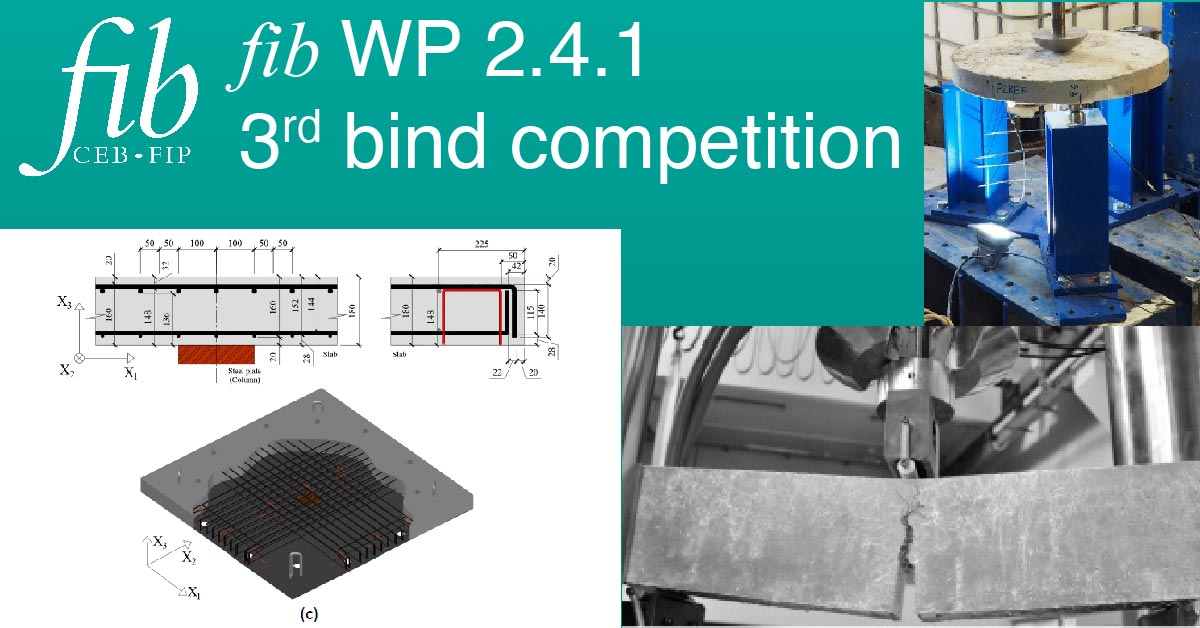
3rd Blind Simulation Competition results

08.11.2023   News

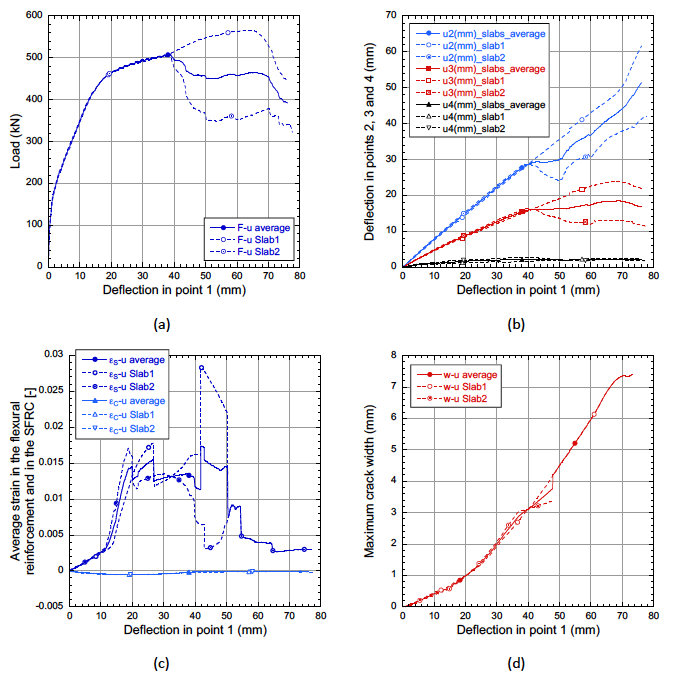
This document presents the results of the 3rd Blind Simulation Competition carried out within the scope of the fib WP 2.4.1 Modelling of Fibre Reinforced Concrete Structures. The object of the benchmark is to predict some important behaviour aspects of a slab reinforced with conventional flexural reinforcement and fibres subjected to punching loading configuration.

Read more
fib Model Code (2020)

29.06.2023   News

We are delighted to announce that the fib General Assembly approved the fib Model Code (2020). The editing process is now underway, and the publication is planned for the last quart of 2023.

Read more
fib Fellows 2023

29.03.2023   News

The fib Fellows awarded in 2023 are Carola Edvardsen (Denmark), Larry Krauser (USA), V. N. Heggade (India), Antonio Mari Bernat (Spain), Stijn Matthys (Belgium), Frank Papworth (Australia), Mike Schlaich (Germany), Jean-Michel Torrenti (France), and Thanasis Triantafillou (Greece).

Read more
fib WP 2.4.1 – 3rd Blind Simulation Competition

15.02.2023   News

The 3rd Blind Simulation Competition (BSC) Simulation of slabs reinforced with conventional flexural reinforcement and fibres subjected to punching loading configuration is being organized within the scope of the fib Working Group WP 2.4.1 Modelling of Fibre Reinforced Concrete Structures.

Read more
fib Fellows 2022

17.02.2022   News

The fib Fellows awarded in 2022 are Alberto Meda, Alejandro Perez Caldentey, Avraham Dancygier, Edoardo Cosenza, Iria Doniak, Manfred Curbach, Marco di Prisco, Shoji Ikeda, Stein Atle Haugerud, and Wit Derkowski. Congratulations!

Read more
New Joint Committee on the GLOBE Consensus (JCGC) for Sustainable Development of the Built Environment

02.12.2021   News

The Liaison Committee of six of the largest international associations active in the civil engineering sector and representing experts from more than 150 nation-states has launched the Joint Committee on the GLOBE Consensus (JCGC). The purpose is to lead the global green transition of civil and structural engineering and building materials sciences, the backbone of the built environment and most of the societal infrastructure systems.

Read more
fib working groups updates

25.11.2021   News

The fib Technical Council was held online and in-person in Lausanne in September 2021. On this occasion, new working groups and chairs/conveners were approved.

Read more
Invoice for effects of Anthropocene era

26.07.2021   News

In 2020, we felt like almost all economic activities worldwide had stopped. However, CO2 emissions were reduced by only 5.8%, which means 2 billion tons, as estimated by the IEA. This was less than only 6% in spite of our hard efforts, wasn’t it? How much more do we need to sacrifice to achieve the goal of carbon neutrality by 2050?

Read more
ICCS2021

17.05.2021   News

The fib International Conference on Concrete Sustainability ICCS2021 will take place in Prague, Czech Republic, on September 8 – 10, 2021.

Read more
fib Presidium 2021-2022

17.12.2020   News

The last Presidium meeting of Tor Ole Olsen’s term in office was held online on 12-13 October 2020, following the Technical Council and the General Assembly. 

Read more
New fib working groups

03.12.2020   News

We are delighted to announce the new fib Working Groups, which were approved during the Technical Council. The TC was held online on 10-11 October 2020.

Read more
Bookshop discount

20.08.2020   News

Starting next Monday, enjoy one week (24-30 August 2020) of special discounts on fib publications on the occasion of the 13th fib PhD Symposium 2020 (register for free today)!

Read more
fib conceptual design webinar

19.08.2020   News

Following the great success of the first fib Symposium on Conceptual Design of Structures held in Madrid in 2019, the fib is organizing a second Symposium on Conceptual Design of Structures that will take place in September 2021 in Switzerland.

Read more
fib Latest Developments Webinar

15.06.2020   News

The fib is holding an online webinar on 24 June 2020 from 12:00 to 15:30 (CET). Registration is free, and places are limited. Make sure you register early!

Read more
ACI online session on bond

02.06.2020   News

Great news for the fib members! ACI is holding together with fib Task Group 2.5 "Bond and material models" an online session on Bond and Development in New Types of Concrete and Reinforcement on 3 June 2020, and 30 fib members will be able to attend for free!

Read more
fib YMG Italy 1st Symposium in Parma

29.04.2020   News

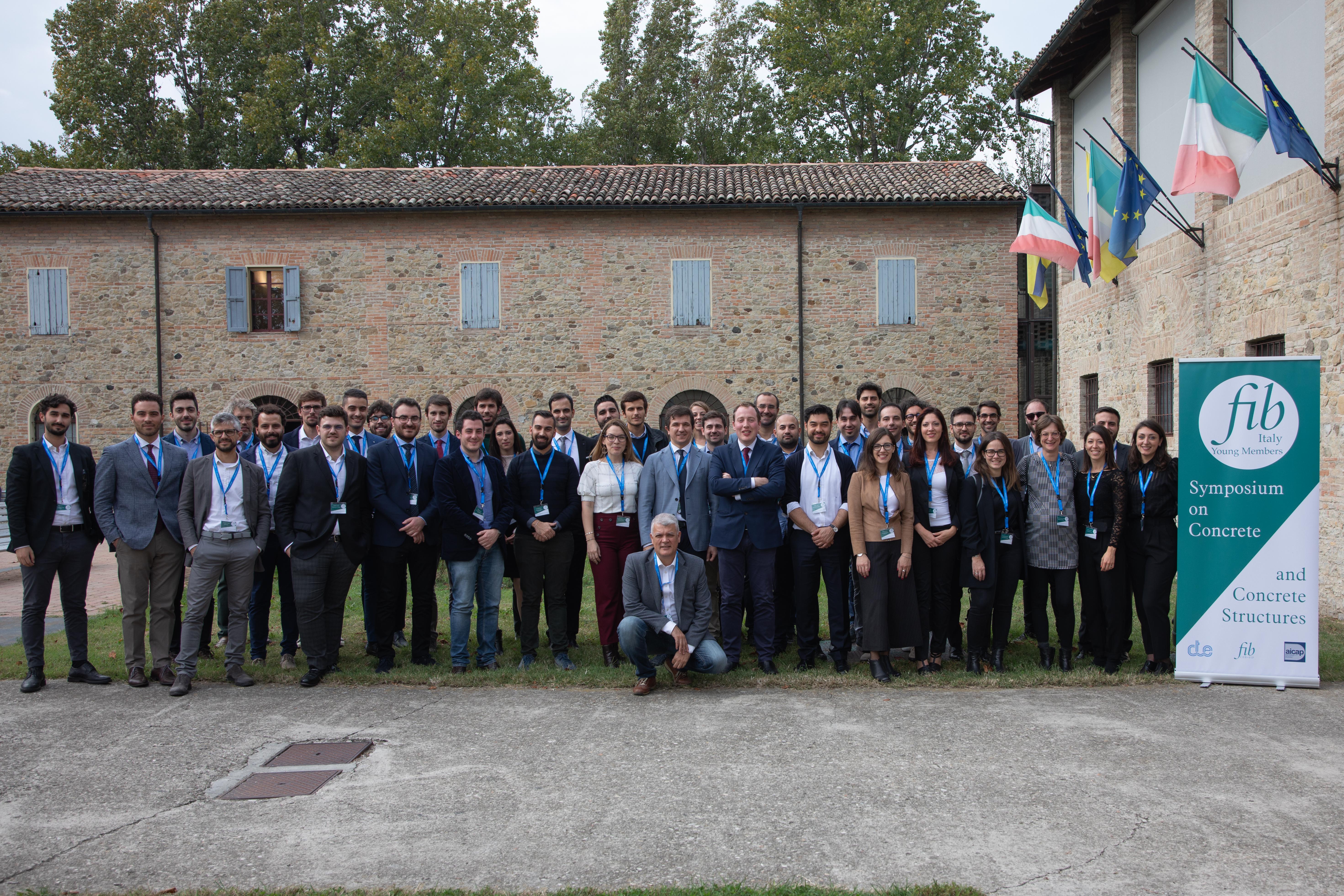
The 1st edition of the fib Italy YMG Symposium on Concrete and Concrete Structures was held on 15 October 2019 in Parma (Italy), with the kind support of the University of Parma as the host organization. 

Read more
Online fib publications viewer

14.04.2020   News

A new feature is available for fib members: an online document viewer. fib members can now browse more than 500 fib publications when connected to the fib network.

Read more
fib AAYE 2019

28.05.2019   News

The fib is delighted to announce the 2019 AAYE Winners! The fib Achievement Awards for Young Engineers is bestowed on engineers under 40 years of age. The 2019 AAYE was given in honour of Tadeusz Kościuszko.

Read more
Structural Concrete Advertising Opportunities

04.04.2019   News

Thinking of gaining awareness for your company or your product? Why not publish an advert in the fib journal Structural Concrete and take advantage of its wide audience (1'000+ print run and 151'292 average impressions)!

Read more
What's happening? fibUK briefing event

30.01.2019   News

What’s happening? is organised by the UK Group of fib. This event will provide an overview of the ongoing work of three fib commissions that instigate research on structural concrete and publish industry guidance that goes beyond what established codes can offer. It will take place on 6 March 2019 in London, UK.

Read more
HiPerMat

18.01.2019   News

The fib supports the 5th HiPerMat (the International Symposium on Ultra-high Performance Concrete and High-Performance Materials), which will take place from 11 to 13 March 2020 in Kassel, Germany.

Read more
Bulletin 80 course

01.11.2018   News

fib Task Group 3.1 has organised a course on fib Bulletin 80 that will take place from 5 to 6 February 2019 at the Politecnico di Torino, Italy.

Read more
fib Awards for Outstanding Concrete Structures 2018

10.10.2018   News

It is our pleasure and honour to announce the fib 2018 Awards for Outstanding Concrete Structures Winners, Special Mention recipients and Exceptional Recognition recipient. The fib AOS recognises concrete structures which demonstrate the versatility of concrete as a structural medium.

Read more
fib Freyssinet Medals 2018

10.10.2018   News

The fib is delighted to announce that Rudy Ricciotti, Jean-François Klein and Giuseppe Mancini were awarded the fib Freyssinet Medal, which recognises outstanding technical contributions in the field of structural concrete.

Read more
fib PhD Symposium in Prague

14.09.2018   News

The fib PhD Symposium in Prague was a great success! Congratulations to the organisers and the participants for their outstanding work. About 160 PhD students attended, representing 28 countries.

Read more
IALCCE 2018

04.09.2018   News

The fib supports IALCCE 2018, which will take place from 28-31 October 2018 in Ghent, Belgium.

Read more
co2sto2019

03.09.2018   News

The fib supports CO2STO2019, which will take place from 24-26 June 2019 in France, near Paris. 

Read more
2nd International Young Members Group Meeting

23.08.2018   News

The updated programme for the 2nd International Young Members Group Meeting is available online! It will take place right after the fib PhD Symposium in Prague. You can attend the first evening of the 2nd International Young Members Group Meeting for free!

Read more
fib 20 anniversary

28.05.2018   News

The fib is delighted to celebrate its 20th anniversary! The fib would like to thank all its members – national, corporate and individual – for the invaluable participation in the work of the fib. 

Read more
fib AAYE 2019

28.05.2018   News

Entries are now being accepted for the 2019 edition of the fib Achievement Award for Young Engineers! 

Read more
Italian Concrete Days

23.04.2018   News

The fib supports the Italian Concrete Days, which will take place in Milano, Italy on 13 June 2018 and in Lecco, Italy from 14 to 15 June 2018. The fourth invitation is now available.

Read more
DSCS tentative programme

18.04.2018   News

Less than two months to go until 2nd International Workshop on Durability and Sustainability of Concrete Structures! The workshop will take place in Moscow, Russia from 6 to 7 June 2018. The tentative programme is now available online.

Read more
1st fib-UAE Engineering Week

17.04.2018   News

The 1st fib-UAE Engineering Week was held in March 2018 in Dubai and was met with great success! The fib-UAE group gave attendees the opportunity to get to know the fib’s work and its objective to bridge Research and Practice by developing and disseminating the latest findings and methods.

Read more
Bulletin 84

05.04.2018   News

The fib is delighted to announce that Bulletin 84 Precast insulated sandwich panels is now available for purchase in our online bookshop!

Read more
Krakow 2019

03.04.2018   News

Get ready to book your trip to Poland! The next fib Symposium will take place in Krakow, Poland from 27 to 29 May 2019 and its theme is Innovations in Materials, Design and Structures.

Read more
EUCEET 2018

08.03.2018   News

The 4th edition of the International Conference on Civil Engineering Education (EUCEET 2018) will take place on 5 - 8 September 2018 in Barcelona, Spain. Language of the conference is English.

Read more
MC 2020 Workhop in Denver

01.03.2018   News

The 2018 PCI Convention & National Bridge Conference took place from February 23 to 24, 2018 and several key fib members participated in the event

Read more
SMSB X 2018

14.02.2018   News

The fib supports the 10th International Conference on Short and Medium Span Bridges (SMSB-X-2018), which will take place in Québec, Canada from 31 July to 3 August 2018.

Read more
fib-PCI joint MC2020 workshop

17.01.2018   News

An fib-PCI joint Model Code for Design and Assessment of Concrete Structures workshop will take place during the PCI Convention and National Bridge Conference in Denver, USA on 21 February 2018.

Read more
fib-Indonesia
fib-Indonesia

14.12.2017   News

The fib is deeply honoured and delighted to welcome Indonesia as a new fib member. Indonesia is our 45th national member.

Read more
UAE new fib member
UAE new fib member

09.10.2017   News

The fib is honoured and delighted to welcome the United Arab Emirates as a new fib member. The UAE is our 44th national member.

Read more
fib YMG meeting

23.03.2017   News

The fib’s first International Young Members Meeting will take place from 21 to 23 April 2017 in Madrid, Spain.

Read more
fib Membership Directory 2015

19.02.2015   News

The fib's Membership Directory 2015 is now available for downloading from the Members Only section (log-in required) of the fib website.  Members will receive a complete printed copy of the directory by postal mail in March.

Read more
fib Symposium 2016 Call for Abstracts

03.02.2015   News

Prospective authors are invited to submit abstracts for the fib Symposium 2016 which will be held in Cape Town, South Africa from 21-23 November 2016.  Abstracts should be sent no later than 31 May 2015.  Please visit the symposium website for submission requirements.

Read more
2015 fib Symposium Copenhagen Registration

22.01.2015   News

Registration is now open for the fib’s 2015 Symposium, Concrete – Innovation and Design, which will be held in Copenhagen, Denmark from 18-20 May 2015.  Early bird registration fees apply until 17 February 2015.  Please visit the symposium website to register.

Read more
New fib commission, task group and working party structure in place

22.01.2015   News

The fib's new commission, task group and working party structure went into effect on 1 January 2015.  Details on the new structure can be found in the December 2014 issue of fib-news.  The terms of reference for each commission can be found on the fib's website under Commissions and task groups.   In addition, members can access the terms of reference under the former structure through the Members Only section of the website.

Read more
December fib-news

02.12.2014   News

The latest edition of fib-news (December 2014) is available on the website. The downloadable PDF can be found on the Journal page.

Read more
fib Bulletin 73: Tall buildings

17.11.2014   News

fib Bulletin 73: Tall buildings is now available for sale on the fib website. This bulletin, a collaborative work between the fib and MPA The Concrete Centre (UK), explains how to develop, design and construct tall buildings.

Read more
fib MC2010 available in Polish

07.11.2014   News

The Polish translation of the fib Model Code for Concrete Structures 2010 is now available. Polish speakers interested in buying this print edition can visit the Polish Cement Association (SPC) website or send an e-mail request for more information.

Read more
AAYE 2015

04.09.2014   News

The fib secretariat and the chairman of the jury are now accepting submissions for the 2015 fib Achievement Award for Young Engineers from candidates endorsed by the fib’s national member groups. Please refer to the guidelines and entry procedure for submissions.

Read more
Structural Concrete, September 2014

02.09.2014   News

The September 2014 issue of the Structural Concrete journal is now available to fib members via the Wiley Online Library. The articles featured in this edition are: ‘Building bridges using the balanced lift method’, ‘Concrete integral abutment bridges with reinforced concrete piles’, ‘Consistent practical design of concrete structures’, ‘Analytical and numerical evaluation of the design shear resistance of reinforced concrete slabs’, ‘Experimental investigations on the punching behaviour of reinforced concrete footings with structural dimensions’, ‘Modelling, verification and investigation of behaviour of circular CFST columns’, ‘Effect of welding heat on precast steel composite hollow columns’, ‘Minimum flexural reinforcement in rectangular and T-section concrete beams’, ‘Influence of time-dependent effects on the crack spacing in reinforced concrete beams’, ‘Stochastic fracture-mechanical parameters for the performance-based design of concrete structures’, ‘Towards a reliability-based post-fire assessment method for concrete slabs incorporating information from inspection’, ‘Effect of bond degradation due to corrosion – a literature survey’ and ‘Review of possible mineral materials and production techniques for a building material on the moon’.

Read more
fib-news, September 2014

02.09.2014   News

The September issue of fib-news features reports on the fib PhD Symposium in Quebec City, the 3rd All-Russia (International) Conference on Concrete and Reinforced Concrete in Moscow, the FRC Workshop in Montreal, the Concrete Innovation Conference (CIC2014) in Oslo and the activities of the fib’s New Zealand member group. On the front page is the call-for-entries for the AAYE, which will be sponsored by Ramboll in 2015.

Read more
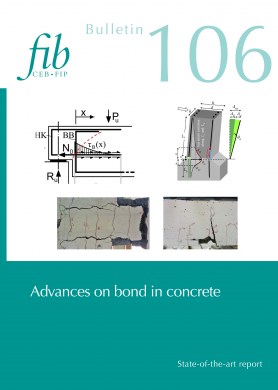
fib Bulletin 72

18.08.2014   News

Bond and anchorage of embedded reinforcement: Background to the fib Model Code for Concerete Structures 2010

Read more
Latest bulletin available

18.08.2014   News

fib Bulletin 72 - Bond and anchorage of embedded reinforcement: Background to the fib Model Code for Concrete Structures 2010 is now available for sale on the fib website. As part of the preparation for the fib Model Code for Concrete Structures 2010, task group 4.5 Bond Models undertook a major rev

Read more
New Impact Factor rating for Structural Concrete journal

04.08.2014   News

The fib’s peer-reviewed journal - Structural Concrete - now has an impact factor of 0.857. The factor has more than doubled since the last time the fib reported an impact factor score of 0.289 in June 2013. The journal publishes papers covering all aspects of the design, construction, performance in service, strengthening and demolition of concrete structures, including papers on research into the behaviour of structures and the development of design methods. All papers are subjected to rigorous peer review; the current average submission-to-acceptance time is 78 days. For author guidelines and manuscript submissions, please visit: http://mc.manuscriptcentral.com/suco.

Read more
Second international workshop on FRC

27.06.2014   News

The second FRC International Workshop (and first joint ACI-fib workshop), on "Fibre reinforced concrete: from design to structural applications", will take place on 24 and 25 July 2014 in Montreal, Canada

Read more
Sixth International Conference of the Asian Concrete Federation

16.06.2014   News

Registration is open for the sixth International Conference of the Asian Concrete Federation, taking place in Seoul, Korea, from 21 to 24 September 2014. The theme is the conference is "Asian Concrete Vision 2030", which will focus on identifying what is best for the future direction of Asian Concrete Federation (ACF) and expanding ACF’s vision of concrete research and its impact on both local and global communities.

Read more
10th International Symposium on High Performance Concrete

13.06.2014   News

Registration is open for the 10th International Symposium on High Performance Concrete – Innovation & Utilization, taking place in Beijing, China from 16 to 18 September 2014. The symposium will be a continuation of the successful previous symposia held every three years since 1987. It will bring together engineers, designers, researchers and scientists from around the world, to promote better understanding on common interests ranging from the latest research findings to the most challenging applications of high performance concrete for construction.

Read more
Application of superabsorbent polymers and other new admixtures in concrete construction

12.06.2014   News

An international conference on the application of of superabsorbent polymers and other new admixtures in concrete construction will be held from 14 to 17 September 2014 at the Technical University of Dresden, Germany. The aim of the conference is to exchange ideas and experience in an open forum. Contributions will address insights from experimental studies, theory or modeling where such new, functional additives are used in cement-based construction materials. Time slots for discussion of the themes and social events are planned to promote an active workshop atmosphere.

Read more
Structural Concrete Journal: papers published in 2013 and 2014

10.06.2014   News

fib is pleased to announce a signficant increase in the number of technical papers published in the Structural Concrete journal in 2013 and 2014, at no additional charge to fib members. In 2013 there was an average of nine papers per issue, which is three more per issue than in 2012.  In 2014, there are 10 articles in the March issue and 14 articles in the June issue.

Read more
Structural Concrete, June 2014

03.06.2014   News

The June 2014 issue of the Structural Concrete Journal is now available to fib members via the Wiley Online Library. Topics covered in this issue are the following: concrete architecture in National Tourist Routes in Norway, analysis of the pullout behaviour of steel fibres, the cracking performance of SCC reinforced with recycled fibres, bond behaviour between recycled aggregate concrete and deformed steel bars, effect of old attached mortar on the creep of recycled aggregate concrete, sensitivity analysis of the early-age cracking risk in an immersed tunnel, water permeability of concrete under uniaxial tension, biaxial behaviour of plain concrete subjected to dynamic compression with constant lateral stress, residual modulus of elasticity and maximum compressive strain in HSC and FRHSC after high-stress-level cyclic loading, fatigue life of RC beams strengthened with FRP systems, shear strengthening of reinforced concrete T-beams with fully or partially bonded fibre-reinforced polymer composites, use of non-contact sensors and finite element methods in the assessment of bridge deck structures, robustness-based performance assessment of a prestressed concrete bridge, and validation of post-tensioning anchorage zones.

Read more
fib-news, June 2014

02.06.2014   News

The June issue of fib-news presents the new structure of fib's Commissions and Task Groups that will be implemented as of January 2015.  It also reports on the International Workshop on Concrete Sustainability held in honour of Koji Sakai's retirement, the ACI Spring Convention attended by fib President Gordon Clark and Immediate Past President György L. Balazs, a durability seminar in Portugal organised by fib Commission 5, as well as awards and honours recently bestowed on fib members.

Read more
Conference on structural design of tall buildings

27.05.2014   News

The Concrete Centre and fibUK are partnering for a conference on the structural design of tall buildings using concrete, taking place in London on 23 October 2014. The event will feature the latest best practice on building dynamics, design, process, wind load, seismic loads as well as consideration for the design team such as lifts, cladding, services, foundations, structural systems and buildability. The conference dinner on Wednesday 22 October will provide a unique networking opportunities for delegates and speakers. 

Read more
2015 symposium in Copenhagen: deadline extension

02.05.2014   News

The deadline for abstracts for the 2015 symposium in Copenhagen (18-20 May 2015) has been extended to 1st June 2014.  To submit an abstract and for further information on the event, please visit: http://www.fibcopenhagen2015.dk/call-for-papers.

Read more
10th fib International PhD Symposium in Civil Engineering

01.05.2014   News

The 10th fib International PhD Symposium in Civil Engineering will take place in Québec, Canada, from 21-23 July 2014. This bi-annual symposium is an opportunity for PhD candidates to present their work to and connect with the international research community. As in previous editions, the most outstanding papers and presentations will be awarded prizes.

Read more
Durability Workshop, Guimaraes, Portugal

28.04.2014   News

fib and the University of Minho will hold seminar on the durability of concrete structures on 8 May 2014 in Guimaraes, Portugal. Durability is a key component in the sustainability of concrete structures and serves a vital role in the design, construction and rehabilitation of these structures. This first of its kind seminar will provide unique access to the experts and work of fib Commission 5, "Structural service life aspects", along with topics from these experts' individual research and work applying durability principles to practice. Several distinguished local speakers will also participate and provide their insight into the local industry.

Read more
2015 symposium in Copenhagen: Call for papers

24.03.2014   News

Abstracts are being accepted for the 2015 fib Symposium, which will take place in Copenhagen, Denmark, from 18 to 20 May 2015. The symposium theme is "Concrete – Innovation and Design", with the following sub-topics:

Read more
New National Member Group in fib: Tunisia

10.03.2014   News

fib is pleased to welcome Tunisia as a new National Member Group in fib, with the secretariat held by the Université de Tunis El Manar. The Head of Delegation is Dr. Atef Daoud of the Ecole nationale d'ingénieurs de Gabès. Prof. Karim Miled of the Université de Tunis El Manar acts as Deputy.

Read more
Structural Concrete, March 2014

07.03.2014   News

The March 2014 issue of the Structural Concrete Journal is now available to fib members via the Wiley Online Library. Topics addressed in this issue are the long-term properties of recycled aggregate concrete, resistance of reinforced concrete members with hollow circular cross-sections, strengthening a 100-year-old reinforced concrete dome, reliability analysis of RC beams strengthened for torsion with carbon fibre composites, staggered lap joints for tension reinforcement, shear in concrete structures subjected to dynamic loads, early-age behaviour of precast concrete immersed tunnel based on degree of hydration concept, structural behaviour and deformation patterns in loaded plain concrete ground-supported slabs, and non-linear analysis of statically indeterminate SFRC columns.

Read more
Structural Concrete, March 2014

07.03.2014   News

The March 2014 issue of the Structural Concrete Journal is now available to fib members via the Wiley Online Library. Topics addressed in this issue include the long-term properties of recycled aggregate concrete, resistance of reinforced concrete members with hollow circular cross-sections, strengthening a 100-year-old reinforced concrete dome, reliability analysis of RC beams strengthened for torsion with carbon fibre composites, staggered lap joints for tension reinforcement, and shear in concrete structures subjected to dynamic loads.

Read more
fib-news, March 2014

04.03.2014   News

The March 2014 issue of fib-news reports on the fourth fib International Congress and Exhibition that took place in Mumbai, India, in February, as well as the Freyssinet Medals and Honorary Memberships that were awarded there. Also reported on are the ConLife Confrence held in Moscow, the 70th anniversary of the Ukrainian Research Institute for Building Construction, a half-day seminar organized by fibUK, and the 20th anniversary of the Czech Concrete Society. A report from the Spanish Member Group in fib continues the occasional series on the organization and activities of these groups.

Read more
fib-news, March 2014

04.03.2014   News

The March 2014 issue of fib-news reports on the fourth fib International Congress and Exhibition that took place in Mumbai, India, in February, as well as the Freyssinet Medals and Honorary Memberships that were awarded there. Also reported on are the ConLife Confrence held in Moscow, the 70th anniversary of the Ukrainian Research Institute for Building Construction, a half-day seminar organized by fibUK, and the 20th anniversary of the Czech Concrete Society. A report from the Spanish Member Group in fib continues the occasional series on the organization and activities of these groups.

Read more
fib Bulletin 71 available

25.02.2014   News

fib Bulletin 71, "Integrated life cycle assessment of concrete structures", is now available for purchase from the fib secretariat.

Read more
fib Bulletin 70 available

24.02.2014   News

fib Bulletin 70, "Code-type models for structural behaviour of concrete: Background of the constitutive relations and material models in the fib Model Code for Concrete Structures 2010", is now available for purchase from the fib secretariat.

Read more
2014 Freyssinet Medals awarded in Mumbai

20.02.2014   News

On Monday 10 February at the fib Congress in Mumbai, India, the 2014 Freyssinet Medals were awarded to Armando Rito (Portugal) and Joost Walraven (The Netherlands). Honorary membership was also bestowed on C.R. Alimchandani (India), Fernando Stucchi (Brazil) and Arnold van Acker (Belgium). A full report on these honours and on the Congress itself will be published in the March issue of fib-news.

Read more
fib Symposium 2015 in Copenhagen: Call for papers

12.02.2014   News

Abstracts are now being accepted for the 2015 fib Symposium, taking place in Copenhagen, Denmark, from 18 to 20 May 2015. The abstract text must be max. 500 words with no tables or pictures; the deadline for submission is 1st May 2014.  The symposium theme is "Concrete – Innovation and Design", with the following sub-topics:

Read more
fib Symposium 2015 in Copenhagen: Call for papers

12.02.2014   News

Abstracts are now being accepted for the 2015 fib Symposium, taking place in Copenhagen, Denmark, from 18 to 20 May 2015. The abstract text must be max. 500 words with no tables or pictures; the deadline for submission is 1st May 2014.  The symposium theme is "Concrete – Innovation and Design", with the following sub-topics:

Read more
All-Russian Conference on concrete and reinforced concrete

31.01.2014   News

The second International, third All-Russian Conference on concrete and reinforced concrete will take place in Moscow from 12 to 16 May 2014. The aim of the conference is to assist scientists, engineers and businessmen in further development of this branch of economy by the exchange of valuable scientific and commercial knowledge. A wide variety of themes related to concrete and reinforced concrete will be addressed. The conference will be accompanied by the specialized exhibition and a contest for the best achievement in concrete and reinforced concrete.

Read more
CIC2014: Registration open

28.01.2014   News

Registration is now open for the Concrete Innovation Conference 2014 (CIC2014), taking place in Oslo, Norway on 11-13 June 2014. The conference themes will cover innovation in, but not limited to, the following areas: environmentally friendly concrete structures, efficient construction, structural design and structural performance, prolongation of service life. In addition, to underline the importance of innovation, a contest will be organized to highlight the best innovation.

Read more
MC2010 discount on hardcover edition for fib members

15.01.2014   News

fib is pleased to announce a 40% discount for all fib members on the hardcover edition of MC2010. fib members can find the discount code for this offer in the members-only section of the fib website, www.fib-international.org (login using username and member number as the password). This special offer will be available until 28 February 2014.

Read more
fib Model Code 2010: hardcover edition discount for fib members

12.01.2014   News

In October 2013, the hardcover and e-book editions of the fib Model Code for Concrete Structures 2010 (MC2010) were published by the Ernst & Sohn publishing house. This milestone publication presents new developments and ideas with regard to concrete structures, structural materials and will serve as a basis for future codes for concrete structures as well as an essential document for national and international code committees, practitioners and researchers. See http://www.ernst-und-sohn.de/mc2010.A special 40% discount on the hardcover edition is offered to fib members until 28 February 2014. To obtain the discount code please go to the members only section of the website.

Read more
Call for papers: 10th International Symposium on HPC

07.01.2014   News

The 10th International Symposium on High Performance Concrete – Innovation & Utilization will be held in Beijing, China from 16 to 18 September 2014. The symposium will be a continuation of the successful previous symposia held every three years since 1987. It will bring together engineers, designers, researchers and scientists from around the world, to promote better understanding on common interests ranging from the latest research findings to the most challenging applications of high performance concrete for construction.

Read more
Structural Concrete, Vol. 12, no. 1, March 2011

13.09.2011   News

International code harmonization: the role of the Asian Concrete Model Code Tamon Ueda, Hokkaido University, Japan Many national codes in Asia are heavily influenced by those from either Europe or the USA. The climatic, technological and economic conditions together with the material properties i

Read more
Structural Concrete, Vol. 12, no. 1, March 2011

13.09.2011   News

Life cycle assessments of concrete structures - a step towards environmental savings Petr Hajek, Czech Technical University in Prague, Czech Republic Ctislav Fiala, Czech Technical University in Prague, Czech Republic Magdalena Kynclova, Czech Technical University in Prague, Czech Republic Cons

Read more
Structural Concrete, Vol. 12, no. 1, March 2011

13.09.2011   News

Structural systems for protection against extreme events Klaas van Breugel, Delft University of Technology, The Netherlands Typical for extreme events is their multidisciplinary nature, and, consequently, solutions for protection against extreme events should mirror their inherent characteristic

Read more
Structural Concrete Contents for Volume 9 (2008)

19.08.2011   News

No. 1, March No. 2, June No. 3, September No. 4, December No. 1, March 2008 - Contents Editorial P.G. Gambarova Recent development in fire design of concrete structures N.P. Høj Abstract     Article Concrete spalling assessment methodologies and polypropylene fibre toxicity analysis

Read more
Structural Concrete, Vol. 11, no. 4, December 2010

19.08.2011   News

K. Chinnaraju, Anna University, Chennai, Tamilnadu, IndiaK. Subramanian, Coimbatore Institute of Technology, Coimbatore, Tamilnadu, IndiaS. R. R. Senthil Kumar, P.P.G. Institute of Technology, Saravanampatti, Coimbatore, Tamilnadu, IndiaUse of high-performance concrete for structural applications has grown substantially in recent years. This paper focuses on studying the effect of different supplementary cementitious materials (silica fume, fly ash, ground granulated blast furnace slag, and their combinations) on strength characteristics of high-performance concrete. An experimental test programme was conducted to study the effect of such admixtures on compressive strength at 7 days and 28 days, splitting tensile and flexural tensile strengths at 28 days for high-performance concrete. A set of 60 different concrete mixtures were cast and tested with different cement replacement levels (0, 10, 20 and 30% by weight of cement) by various combinations of fly ash and ground granulated blast furnace slag with silica fume as addition (0, 2.5, 5, 7.5, 10 and 12.5% by weight of cement) for each combination. Super plasticiser was added at different dosages to achieve a constant range of slump for desired workability with a constant water-binder (w/b) ratio. Based on the test results the influence of such admixtures on strength aspects were critically analysed and discussed. A regression analysis has been carried out to relate compressive strength to flexural and splitting tensile strengths. 

Read more
Structural Concrete, Vol. 11, no. 4, December 2010

19.08.2011   News

E. T. Dawood, School of Housing, Building and Planning, Universiti Sains Malaysia, Penang, MalaysiaM. Ramli, School of Housing, Building and Planning, Universiti Sains Malaysia, Penang, Malaysia The use of steel fibres in concrete or mortar is known for its potential to enhance the flexural toughness, the energy dissipation and the impact resistance for many structural applications, especially in building repairs and other civil engineering works. The use of steel fibres in flowable mortar provides a great advantage in arresting cracks and enhancing the flexural rigidity of the composite material. Hence, this experimental investigation was performed to provide a clear indication and understanding of the behaviour and structural performance in engineering construction. The experimental tests conducted were: density, compressive strength, splitting tensile strength, flexural strength and toughness indices tests. These tests are required to show that the best performance of high-strength flowable mortar or high-strength flowing concrete could be fulfilled by using steel fibres and the optimal percentages of silica fume as partial replacement of cement. The conductivity of the repair material was evaluated by adoption of some combined systems of repair materials with concrete to determine the bond action of this repair material (flowable high-strength system). The results indicate that the high-strength flowing concrete has an excellent performance in terms of compressive strength for the repaired system. On the other hand, the high-strength flowable mortar improves significantly the tensile strength of the repaired system. 

Read more
Structural Concrete, Vol. 11, no. 4, December 2010

19.08.2011   News

M. Farzam, University of Tabriz, IranN. A. Fouad, Institut für Bauphysik, Leibniz University,GermanyJ. Grünberg, Institut für Bauphysik, Leibniz University,GermanyM. Y. Fard, University of Tabriz, IranThe main objective of this paper is to study the effect of eccentricity of loads on the ultimate punching resistance and rotational capacity of slabs. A mechanical model recently proposed by Muttoni, which has been developed to predict the punching capacity of slab-column connections under concentric loads, is developed in the same manner as that of Broms to be applicable for the investigation of rotational capacity of slabs under eccentric loads. Furthermore, the effect of eccentricity of load on the ultimate punching resistance and the rotational capacity of slabs with respect to column is numerically studied performing a non-linear finite-element analysis using Atena. The numerical analyses consist of calculations of selected punching tests. The factors affecting the behaviour of the connections, such as the ratio of tension reinforcement, the type of reinforcement steel and the concrete compression strength are studied parametrically. The results of the analyses are compared with Eurocode 2 and ACI code predictions and with the mechanical model previously proposed by Broms and the model developed by Muttoni. 

Read more
Structural Concrete, Vol. 11, no. 3, September 2010

19.08.2011   News

Hakim Abdelgader, Al-Fateh University, LibyaManal Najjar, Al-Fateh University, LibyaTareq Azabi, Bonyan Consulting Engineers, Tripoli, Libya Placement of concrete underwater is necessary in the implementation of most in-shore, and off-shore structures. The pouring of underwater concrete is considered to be a challenge for engineers, even during the design stage or during implementation and supervision. This is because many precautions must be taken to ensure the success of the casting process. The most important of these is to protect the fresh concrete from the water during the casting process to avoid the risk of wash-out of the cement past and segregation of aggregates. Concrete can be placed underwater successfully through good design of the concrete mix and choosing the most suitable method for placing of the concrete. There are new techniques for underwater concreting such as grouted aggregate; this is known as the two-stage concrete method. The main objective of this paper is to present the capability of pouring concrete underwater using this method. A laboratory model was prepared, visually investigated and tested by extracting core samples, then performing compressive, tensile and ultrasonic pulse velocity tests. From the results obtained it has been observed that concrete can be poured successfully underwater using the two-stage method, and it is recommended that this research may be developed by using different water-cement ratios and cement-sand ratios to obtain the optimum mix design; also, different types of aggregates, which are available in local quarries, may be used. 

Read more
Structural Concrete, Vol. 11, no. 4, December 2010

19.08.2011   News

J. J. Holtz Silva Filho, PUC-Rio, BrazilE. de Souza Sánchez Filho, Fluminense Federal University, BrazilM. de Souza Lima Velasco, PUC-Rio, BrazilThis paper presents the results of an experimental and theoretical study designed to evaluate the behaviour of reinforced concrete beams subjected to torsion and strengthened with carbon fibre composites. A total of seven beams, each with the dimensions 200x400x4200 mm, were tested. Test results reveal marked increases in the torsion capacity of 38% and 40% for each series of beams. The effective axial stress of a theoretical model for bonding the carbon fibre composites is incorporated in the space truss with softening model. The predictions of this proposed model are then compared with tests results. A high degree of agreement is verified between the experimental and theoretical values. 

Read more
Structural Concrete, Vol. 11, no. 3, September 2010

19.08.2011   News

Dionysis Biskinis, University of Patras, Greece Michael N. Fardis, University of Patras, Greece Models are developed and calibrated for the moment, the chord rotation and the secant stiffness at flexural yielding of reinforced concrete beams, rectangular columns or walls and members of T-, H-, U- or hollow rectangular section, on the basis of a databank of tests on members with continuous bars. Criteria are developed for the identification of adverse shear effects on the yield moment. The models apply only to members whose yield moment is not reduced by shear effects. They employ simple, explicit expressions suitable for practical application without moment-curvature analysis. They are extended to members with bars lap-spliced starting at the end section. The effect of biaxial loading on member yielding is examined. Most of the models have been adopted in Eurocode 8, Part 3. 

Read more
Structural Concrete, Vol. 11, no. 3, September 2010

19.08.2011   News

Andrew Pullen, Imperial College London, UK Ali Abbas, Imperial College London, UK This paper summarises experimental investigations of undamaged and partially damaged reinforced-concrete beams and columns. The aim of the work was to establish and carry out experimental methods for determining the load-deformation behaviour and strength of these simple structural elements under varying levels of localised pre-damage (such as weakening or partial loss of concrete material). In particular, the effect of such partial/local damage on the overall behaviour and, crucially, its contribution to structural collapse, were also studied. There is little experimental evidence to validate predictions obtained from analysis or numerical modelling of partially damaged concrete members. Often, the ultimate capacity is the primary output of interest and it is usually determined using specimens that have no prior local damage. The present study produced data that led to a comparative study between the structural behaviour of both damaged and undamaged structural elements in order to help understand the effect of local damage and its contribution to structural collapse. The experimental results can also be used for future modelling and validation purposes. 

Read more
Structural Concrete, Vol. 11, no. 3, September 2010

19.08.2011   News

John Cairns, Heriot Watt University, UK Eoin Coakley, Conventry University, UK This paper describes an experimental and numerical investigation examining the effect of reinforcement exposure during the patch repair process on the behaviour of continuous beams. Particular attention is paid to moment transfer and change in strain patterns during concrete breakout. The test programme embraced a range of parameters including the length and position of breakout and a variety of reinforcement arrangements. Moment transfer during concrete breakout was monitored to assess whether breakout at one location would cause overstressing in other parts of the structure. Results from tests and numerical analysis show increases in section deformations away from the breakout were small when compared to those within the breakout length. It is surmised that there is little danger of overstraining in locations away from the breakout zone while breakout does not extend past a point of contraflexure.

Read more
Structural Concrete, Vol. 11, no. 2, June 2010

19.08.2011   News

H. Corres Peiretti, FHECOR Ingenieros Consultores, SpainM. Gómez Navarro, MC-2, Estudio de Ingeniería, SpainThe use of concrete in high-rise buildings has increased significantly in the last 20 years mainly owing to improvement in all of the technologies associated with this material: admixtures, pumping, transportation and elevation methods, etc. These enhanced possibilities are illustrated by means of four high-rise buildings that were built recently in Madrid, each about 250 m high. The main structural elements of these buildings are presented focusing on the advantages offered by concrete compared to other materials that are commonly used in high-rise construction. The types of concrete considered are high-resistance concrete up to C80, self-compacting concrete, precast and in situ concrete, reinforced or prestressed concrete, as well as normal weight or lightweight concrete. These examples clearly show that, even in structures where the role of self weight is determinant, concrete can be the best solution if all of the different factors involved in the success of a construction site are considered: geometry, ease of construction, means of elevation, prefabrication at factory, repetitiveness, material costs, control requirements, and so on. 

Read more
Structural Concrete, Vol. 11, no. 2, June 2010

19.08.2011   News

D. Biskinis, University of Patras, Greece M.N. Fardis, University of Patras, Greece A databank of cyclic or monotonic tests to flexure-controlled failure is used to develop/calibrate models for the curvature and the chord rotation of reinforced concrete members at flexure-controlled ultimate conditions - at a 20% post-ultimate strength drop in lateral force resistance - under monotonic or cyclic loading. Models are developed for beams, rectangular columns or walls and members of T-, H-, U- or hollow rectangular section, with or without detailing for earthquake resistance and with continuous longitudinal bars. The models employ simple, explicit expressions for practical application without moment-curvature analysis and are on the safe side for biaxial loading. They are extended to members with longitudinal bars lap-spliced in the plastic hinge region. 

Read more
Structural Concrete, Vol. 11, no. 3, September 2010

19.08.2011   News

Francesco Micelli, University of Salento-Lecce, Italy Andrea Rizzo, University of Salento-Lecce, Italy Donatella Galati, University of Salento-Lecce, Italy This paper focuses primarily on flexural strengthening with pre-cured fibre-reinforced polymer laminates applied on reinforced-concrete beams with different anchoring devices, both chemically and mechanically applied. The results showed that the ultimate load of the strengthened beams was 35-80% higher than the control beam, depending on the type of strengthening system applied. The lower value corresponds to the beam strengthened using carbon-fibre-reinforced polymer without anchor spikes, the use of which increased the ultimate load by about 14%. The best performance of the strengthening was obtained for the beams strengthened with the hybrid laminates: steel anchors reduced the load drop after the peak, while in the case of the hybrid system and mechanically fastened carbon-fibre-reinforced polymer, the use of the mechanically fastened system resulted in a pseudo-ductile mode of failure. The experimental results were compared with analytical results obtained from the application of recently developed guidelines, published by the Italian Research Council (CNR). 

Read more
Structural Concrete, Vol. 11, no. 2, June 2010

19.08.2011   News

A.H. Alwathaf, Sana'a University, Yemen The characteristic behaviour and failure mechanism of a deep beam is investigated using non-linear finite-element analysis in this study. An accurate stress-strain relation is incorporated to describe the stress-strain behaviour of the concrete under compression for uniaxial and also for biaxial stress states. Material non-linearity in the compressive stress field is considered for the concrete in the orthogonal directions and the effect of microcracking confinement and softening on the stress-strain relationship under biaxial stresses are included, employing the equivalent uniaxial strain concept. A computer code FEARCB (finite-element analysis of reinforced concrete beams) is developed to analyse deep beams until failure. The applicability of the proposed finite-element model is investigated by demonstrating the non-linear structural response and failure mechanism of different deep beams and comparing with the available experimental work. Good agreement is achieved between the developed finite-element model and the experimental test results. 

Read more
Structural Concrete, Vol. 11, no. 2, June 2010

19.08.2011   News

J. Naess, Aker Solutions AS, NorwayS.I. Giske, Aker Solutions AS, Norway L. Bjerkeli, Skanska Norge AS, Norway A concrete gravity-based structure, used as an offshore liquid natural gas (LNG) receiving and regasification terminal, has been built and installed in the Adriatic Sea. The design, construction and interfaces of the concrete structure posed many challenges which drew on expertise learnt elsewhere in the world of offshore marine concrete structures. The integration of the LNG tanks and the regasification topsides into a compact concrete structure tested the ability to produce a consistent and easily constructed solution. The resulting structure was simple, efficient, robust, durable and the first of its kind. 

Read more
Structural Concrete, Vol. 11, no. 1, March 2010

19.08.2011   News

A.M. Ruiz-Teran, University of East London, UKUnder-deck and combined cable-stayed bridges are two relatively new bridge types that have been developed over the last 30 years. Most of these bridges have been constructed in Germany, Japan, France and Spain, and have been designed by outstanding structural engineers such as Leonhardt, Schlaich, Manterola, Virlogeux and Cremer. The main advantages of these bridge types are: their great structural efficiency; the small amount of materials that they require (allowing economic and sustainable proposals); their great construction possibilities, allowing an increase in the span range of certain construction methods; and their strong aesthetic characteristics owing to the different layouts that can be defined with the stay cables. This paper revises the structural behaviour and design criteria of under-deck and combined cable-stayed bridges, and summarises the main research contributions of the PhD thesis submitted by the author Dr Ana M. Ruiz-Teran, to whom the fib Diploma 2009 for Research (Young Engineers Award) has been recently presented for this work. 

Read more
Structural Concrete, Vol. 11, no. 1, March 2010

19.08.2011   News

P.G. Debernardi, Politecnico di Torino, ItalyM. Taliano, Politecnico di Torino, Italy This paper reports the main results of a parametric analysis which was performed to define appropriate limits for the span-to-height ratio of prestressed concrete beams or slabs that are in compliance with the deflection control required by international standards (Eurocode 2, Model Code 1990) for concrete buildings structures. Two deflections were considered: the total deflection and the active deflection that occurs after construction, in both cases under the quasi-permanent load combination. The active deflection has to be considered when fragile elements such as partitions or glazing are present on the structure. Four structural systems were considered: simply supported fully or partially prestressed beams with an I-section and simply supported or fixed-end slabs with a rectangular cross-section. The load history first included the application of the prestress and the dead load and then the application of the remaining quasi-permanent load. Taking into account the effects of imposed deformations the structure was designed to obtain the geometrical properties strictly necessary for the ultimate limit state (ULS) and for stress limitation in service under quasi-permanent and characteristic load combinations. The results allow the influence of some of the variables that most affect the deflection to be evaluated, such as the span and the height of the beams, the concrete strength, the permanent load and the variable-to-permanent load ratio.

Read more
Structural Concrete, Vol. 11, no. 1, March 2010

19.08.2011   News

S.B. Marinkovic, University of Belgrade, SerbiaV.M. Kokovic, University of Belgrade, SerbiaI.S. Ignjatovic, University of Belgrade, SerbiaV.H. Alendar, DN Engineering Consultants, Belgrade SerbiaThe structure of Delta City shopping mall in Belgrade consists of two separate structures: the structure of the mall and the structure of the multi-storey open garage. The overall dimensions of the irregular layout of the structure are 210 m x 120 m, with four main levels in the mall and five parking levels in the garage. Because of the different exposure conditions, the structure of the garage is separated from the mall's structure with an expansion joint at all of the levels, except the level of the foundation slab. The mall's framed structure is designed without any expansion joints, except for temporary joints during the construction stage. It consists mainly of reinforced concrete columns cast in place, at typical spans of 8.2 m x 8.2 m, precast reinforced concrete simple beams and precast prestressed hollow core slabs. The moment resistant reinforced concrete frames cast in place are designed mostly at the facade, to provide additional seismic resistance and to control lateral deflections. The main structure of the open multi-storey garage consists of reinforced concrete frames cast in place and precast hollow core slabs, and it is designed for exposure class XD3, with special attention paid to durability requirements. Owing to the mainly precast structure, especially the hollow core slabs as a floor solution, the complete concrete structure of approximately 80 000 m2 was constructed in less then 12 months. 

Read more
Structural Concrete, Vol. 10, no. 4, December 2009

19.08.2011   News

A. Semchenkov, Research and Development Institute for Concrete (NIIZhB), Moscow, Russia V. Meshkov, Research and Development Institute for Concrete (NIIZhB), Moscow, RussiaA. Kvasnikov, Research and Development Institute for Concrete (NIIZhB), Moscow, RussiaAt present in Russia hot-rolled reinforcing bars are mainly manufactured using two deformation (rib) patterns, either with ring-like ribs of constant height or with two-row crescent-shaped ribs of 'European' style. Steel of both grades A400C and A500C can be produced with one or other of these rib patterns. Often it is difficult to identify on site an actual grade of rebars. To improve the situation a new specific deformation pattern for A500C grade steel was developed. The rebar-to-concrete interaction for the three patterns mentioned above is evaluated by means of the analysis of failure of concrete keys formed between transverse ribs of a steel bar. For this purpose the authors employed some principles of analysis that previously had been used for key joints of concrete floor panels. The bond behaviour is subsequently classified as 'rigid' or 'soft', the latter being considered as more favourable. The structural advantages of commercial production in Russia of A500CP grade reinforcing steel using the newly developed deformation pattern are described. 

Read more
Structural Concrete, Vol. 10, no. 4, December 2009

19.08.2011   News

H. Thun, Luleå University of Technology, Luleå, Sweden U. Ohlsson, Luleå University of Technology, Luleå, SwedenL. Elfgren, Luleå University of Technology, Luleå, SwedenA pullout test using post-installed inserts has been examined as an alternative to drilled cores to determine the in-place concrete compressive strength. Tests have been carried out on eight railway bridges from 1965 to 1980 and on a one year old concrete slab. An empirical strength relationship is proposed between the compressive strength of a drilled core with the diameter and height of 100 mm and the pullout force from the pullout test. It is a power function and the relationship is valid for concrete compressive strengths up to 105 MPa; it gives higher concrete strengths than earlier proposed functions. 

Read more
Structural Concrete, Vol. 10, no. 4, December 2009

19.08.2011   News

R. Kumar, Indian Institute of Technology Roorkee, India B. Singh, Indian Institute of Technology Roorkee, India P. Bhargava, Indian Institute of Technology Roorkee, India In many structural applications it is desirable to use a high percentage of steel reinforcement in beams to minimise structural depth while still providing adequate stiffness. This investigation demonstrates that by confining the compression zone of an over-reinforced beam with a steel helix, considerable strength, stiffness and ductility can be achieved, even with a tension steel content as high as 4⋅79%. This is possible because the helically confined compression concrete becomes triaxially stressed during loading, leading to a high uniaxial strain capacity at an enhanced stress level. Self-compacting concrete has been used to ensure effective concreting of the over-reinforced beams. The proposed analytical approach based on the moment-curvature characteristics of the over-reinforced section gives a reasonably accurate prediction of the load-displacement behaviour of the over-reinforced beams. The serviceability limit states of cracking and deflection have been examined and the quality of the hardened self-compacting concrete in the beams has been found to be satisfactory from ultrasonic pulse velocity measurements. 

Read more
Structural Concrete, Vol. 10, no. 4, December 2009

19.08.2011   News

O. Larsson, Lund University, SwedenEffects of surrounding climate impose temperature variations in both time and space for concrete structures. The associated thermal strains may give rise to stresses and cracking due to external or internal restraint. This will affect the performance of the structure. It is therefore important to analyse the temperature variations and the extreme situations that can occur. To predict the dynamic thermal conditions in concrete structures a finite-element model has been developed. The ability of the model to describe correctly the various boundary conditions such as solar radiation, outgoing long-wave radiation and convection is investigated in this paper. Field temperature measurements in a concrete slab placed outdoors are used for the validation. The necessary climatic input data for the model were obtained from measurements in the vicinity of the slab. The results show that the model can describe with good accuracy the effects of different climatic factors in extreme situations and is well suited to use in further studies. 

Read more
Structural Concrete, Vol. 10, no. 3, September 2009

19.08.2011   News

A. K. Parande, Central Electrochemical Research Institute, Karaikudi, Tamilnadu, India R. H. Chitradevi, Central Electrochemical Research Institute, Karaikudi, Tamilnadu, IndiaK. Thangavel, Central Electrochemical Research Institute, Karaikudi, Tamilnadu, India M. S. Karthikeyan, Central Electrochemical Research Institute, Karaikudi, Tamilnadu, IndiaB. Ganesh, Central Electrochemical Research Institute, Karaikudi, Tamilnadu, IndiaN. Palaniswamy, Central Electrochemical Research Institute, Karaikudi, Tamilnadu, IndiaThe utilisation of calcined clay in the form of metakaolin as a pozzolan for concrete has received considerable interest in recent years. The use of metakaolin as a mineral admixture for concrete is a well-documented practice. Metakaolin is a quality enhancing pozzolan for concrete. In this review paper the work done by various researchers on the effect of the addition of metakaolin to modify the properties of concrete are documented; source and manufacture, fresh concrete properties, hardened concrete and durability. From the survey it is concluded that metakaolin enhances early strength in concrete through a filler effect. Metakaolin also enhances long-term strength and durability of concrete and corrosion resistance. Less work has been carried out in corrosion studies and some of these works are highlighted in this review paper. 

Read more
Structural Concrete, Vol. 10, no. 3, September 2009

19.08.2011   News

G. Bertagnoli, Politecnico di Torino, Italy G. Mancini, Politecnico di Torino, Italy Many experimental campaigns on hollow core slabs put into evidence critical shear behaviour of such structures. Widespread perplexities on the actual shear resistance of such members took place in the scientific community when the results of these experimental campaigns were published. As a first result the model proposed in the Model Code 90 and in the Eurocode to evaluate the uncracked shear capacity of prestressed elements was supposed to overestimate the real ultimate strength of the members. A more careful interpretation of the shear design of such structures is presented in this paper and shows that there is no safety risk if these slabs are designed with care. The ultimate behaviour of hollow core slabs mainly subjected to shear actions is related to many different phenomena such as prestressing dispersion, anchorage of prestressing strands, cracking bending moment and, of course, shear resistance. The mutual interaction of such phenomena asks for a multi-criteria design approach which is presented in the following and which gives very good results when compared to experimental campaigns output. 

Read more
Structural Concrete, Vol. 10, no. 4, December 2009

19.08.2011   News

V. P. Mitrofanov, Poltava National Technical University, Ukraine This paper presents an improved design of reinforced concrete elements (RCE) subjected to flexure and eccentric compression or tension. The disadvantages of the traditional deformational strength criterion of concrete as confirmed by experimental data are noted. Emphasis is put on the difficulties in determining ultimate concrete strain experimentally, as well as in accounting for the influence of many conditions and factors. To remove these disadvantages, the extreme strength criterion (ESC) is proposed and used. The ESC expresses the determination of the maximum load parameter as a function of the extreme fibre compression compressive strain ecu in a RCE section at failure. On the basis of the ESC, a new general design method is developed for RCEs under bending and eccentric compression/tension. In addition to the constitutive relations for concrete and steel, the plane sections hypothesis and the balance equations, the proposed method includes the ESC, which replaces the traditionally used concrete strength criterion. The advantages of the proposed method are demonstrated to be generality, completeness, exactness, reliability and systematic accounting of a large number of factors. The proposed method does not require the experimental determination of the ultimate concrete strain, because the ecu is found during solution of the RCE strength problem as one of the unknowns of the equation system. 

Read more
Structural Concrete, Vol. 10, no. 3, September 2009

19.08.2011   News

S. L. Matthews, Building Research Establishment, UKJ. Jacobs, Technial Approvals and Standardisation Division, BBRI, BelgiumI. Stipanovic Oslakovic, Civil Engineering Institute of Croatia, Zagreb, CroatiaD. J. Cleland, Queen's University, Belfast, UKWith correct design, specification and construction, concrete structures provide high-performance durable assets with long service lives. Owners can maximise the benefits to be gained from concrete structures, while minimising through-life cost and sustainability impacts, by taking a through-life perspective on the design, specification and management of their structures; rather than simply focusing on first cost. This second part of a two-part paper provides an overview of the advice given in the fib guide to good practice entitled Concrete Structure Management - Guide to Ownership and Good Practice (fib Bulletin 44) 

Read more
Structural Concrete, Vol. 10, no. 2, June 2009

19.08.2011   News

V.K.R. Kodur, Michigan State University, East Lansing, MI, USAN. K. Raut, Michigan State University, East Lansing, MI, USAAn empirical equation for evaluating the fire resistance of reinforced concrete (RC) columns is presented. Data from a large set of experimental studies are analysed to study the influence of various parameters on the fire resistance of RC columns. The fire test data are utilised to develop a simplified equation for expressing the fire resistance of RC columns as a function of influencing parameters. The validity of the equation is established by comparing the predictions from the empirical equation with data obtained from fire resistance experiments and analytical studies. Predictions from the proposed equation are in good agreement with the test results and computer models, and provide better estimates of fire resistance than those predicted from current codes of practice. The proposed equation also incorporates parameters such as load eccentricity, which is not included in the current equations available in the literature. Furthermore, the proposed equation expresses the fire resistance in terms of conventional structural and material design parameters, and thus facilitates easy calculation of fire resistance. 

Read more
Structural Concrete, Vol. 10, no. 2, June 2009

19.08.2011   News

S. L. Matthews, Building Research Establishment, UKJ. Jacobs, Technial Approvals and Standardisation Division, BBRI, BelgiumI. Stipanovic Oslakovic, Civil Engineering Institute of Croatia, Zagreb, CroatiaD. J. Cleland, Queen's University, Belfast, UKWith correct design, specification and construction, concrete structures provide high-performance durable assets with long service lives. Owners can maximise the benefits to be gained from concrete structures, while minimising through-life cost and sustainability impacts, by taking a through-life perspective on the design, specification and management of their structures; rather than simply focusing on first cost. This first part of a two-part paper provides an overview of the advice given in the fib guide to good practice entitled Concrete Structure Management - Guide to Ownership and Good Practice (fib Bulletin 44): the paper deals with general issues associated with concrete structure ownership, giving owners an insight into their responsibilities and obligations, what they should do and seek to achieve in the context of concrete structure management, and information regarding potential deterioration mechanisms and the merits of adopting proactive as opposed to reactive structure management. 

Read more
Structural Concrete, Vol. 10, no. 2, June 2009

19.08.2011   News

W. Raphael, École Supérieure d'Ingénieurs de Beyrouth, St. Joseph Univeristy, Riad El Solh Beirut, LebanonR. Faddoul, École Supérieure d'Ingénieurs de Beyrouth, St. Joseph Univeristy, Riad El Solh Beirut, LebanonD. El-Asmar Selouan, École Supérieure d'Ingénieurs de Beyrouth, St. Joseph Univeristy, Riad El Solh Beirut, LebanonA. Chateauneuf, LGC-UBP Polytech Clermont Ferrand, Aubière, FranceThe disparity between theoretical and experimental results reveals that the creep of concrete is often underestimated by most, if not all, codes of design; this is particularly true in the case of Eurocode 2. Thus it is necessary to calibrate the present code models. Bayesian-type inferences turn out to be an especially suitable tool for the work needed in revising and updating design codes. This is by virtue of their capability to incorporate additional information resulting from current practice and research so as to improve existing models. In this paper, corrective coefficients are proposed for the Eurocode model, allowing better estimation of the long-term creep of concrete. To achieve this aim, the authors rely on a large database of experimental results compiled by collecting data from several research institutions in Europe. Two descriptive statistical methods are applied in order to compare the experimental results from the above-mentioned database with results calculated using the Eurocode 2 model for the same input parameters. A Bayesian-type statistical inference is then performed to evaluate the corrective coefficient for different categories of concrete strengths using various prior distributions. The approach presented here has proven to be an effective and systematic framework for the consideration of all possible types of uncertainties in model calibration. The results obtained are very interesting for engineers involved in design and supervision of structures. The adoption of such a design approach would improve long-term serviceability of structures subjected to creep. 

Read more
Structural Concrete, Vol. 10, no. 2, June 2009

19.08.2011   News

E. Oller Ibars, Civil Engineering School, Technical University of Catalonia, Barcelona, SpainD. Cobo del Arco, Tec-Cuatro, SA, Barcelona, SpainA. R. Marí Bernat, School of Civil Engineering, Technical University of Catalonia, Barcelona, SpainExisting experimental research has shown that the application of externally bonded laminates to strengthen reinforced concrete (RC) structures can lead to brittle failures involving debonding of the laminate before the design load is reached and a classical failure mode occurs. In an externally bonded RC beam, this peeling failure can initiate either near mid-span owing to the effects of flexural or shear cracks, or at the laminate end as a result of stress concentration at the laminate cut-off point. The design procedure to obtain the laminate area to strengthen a RC element should avoid these premature peeling failures. Therefore, there is a need to understand the mechanics of the laminate debonding process in order to prevent it. The evolution of the debonding process can be analysed by using non-linear fracture mechanics assuming a bilinear constitutive law for the interface. The crack propagation process is described through the evolution of different stages, in which the interfacial shear stresses can be obtained. As the transfer of stresses from laminate to concrete through the interface is a critical parameter in the correct performance of externally bonded structures, the transferred force should be limited to a maximum value in order to prevent peeling failure. A shear-bending interaction diagram based on this maximum transferred force associated with peeling failure is the main point of the design proposal presented in this paper. 

Read more
Structural Concrete, Vol. 10, no. 1, March 2009

19.08.2011   News

H. Y. Leung, Hong Kong College of Technology, Hong KongA. Nadeem, Hong Kong College of Technology, Hong KongG. K. W. Tse, Hong Kong College of Technology, Hong KongThis paper examines the water permeability and chloride penetrability of self-compacting concrete with fly ash and silica fume as admixtures. The influence of 28-day concrete strength on concrete permeability is also investigated. It was found that addition of fly ash and silica fume was effective in reducing the concrete permeability. Most self-compacting concrete specimens showed low to very low water permeability and chloride penetrability. Test results also indicated that the 28-day concrete strength should not be used as an indicator for concrete permeability.

Read more
Structural Concrete, Vol. 10, no. 1, March 2009

19.08.2011   News

S. Hetland, Aker Solutions, Lysaker, NorwaySakhalin II is an integrated oil and gas development in the Russian Far East. It involves the installation of a large offshore platform at the Piltun sector of the Piltun-Astoskhskoye field (PA-B) and a single large platform at the Lunskoye gas field (LUN-A). These platforms, together with the existing Molikpaq drilling and production platform, are equipped to export their output by pipeline to Sakhalin. From here it is transported by way of an onshore link of 800 km to Prigorodnoye, Aniva Bay at the south of the island, which is the location for a major liquefied natural gas (LNG) storage facility and terminal, and oil handling terminal. The two fields contain an estimated 1.2 billion barrels (190 000 000 m3) of crude oil and 500 billion m3 of natural gas. Output is scheduled at up to 9.6 million of LNG per year and about 180 000 barrels per day (29 000 m3/day) of oil. The project partners are Gazprom (50% plus one share), Shell (27.5%), Mitsui (12.5%) and Mitsubishi (10%). The GBS contracts were issued on 1 July 2003 and both platforms were installed during the summer of 2005. 

Read more
Structural Concrete, Vol. 10, no. 1, March 2009

19.08.2011   News

M. Taliano, Politecnico di Torino, Italy This paper reports the main results of a parametric analysis which is based on the calculation of stresses on concrete and steel of r.c. rectangular sections subjected to bending under quasi-permanent and characteristic loads. Two calculation methods are used: a general method and a simplified one, namely the n-method. The main parameters that influence the calculation of stresses are then discussed and the differences that are produced by the n-method using the classical values found in the literature compared with the general method are evaluated. By varying only some of the involved parameters, appropriate new values of the modular ratio, called 'improved modular ratios', are determined and two equations for the assessment of the improved modular ratios are proposed, one for each considered load combination. In this way, applying the 'improved' n-method, it is possible to calculate the stresses on concrete and steel with good accuracy. 

Read more
Structural Concrete, Vol. 9, no. 4, December 2008

19.08.2011   News

G. Morgenthal, Principal Engineer, Maunsell AECOM, Shatin, Hong KongR. Sham, Executive Director, Maunsell AECOM, Shatin, Hong Kong K. Yamane, Engineering Manager, Maeda-Hitachi-Yokogawa-Hsin Chong Joint Venture One of the most challenging aspects in the construction of Stonecutters Bridge, Hong Kong, was the erection of the concrete backspan structures. At a height of about 70 m a geometrically complex grillage deck was to be constructed. The superstructure cannot support its own weight before the stay cables are installed; it was thus constructed on a unique falsework system required until stressing of the stays. The paper describes the development of the construction procedures, the construction engineering and the design of the temporary works. The work involved the accurate stage-by-stage modelling of the entire construction process to assess the structural adequacy throughout and to facilitate geometry control. The different strands of work were highly interactive and optimised erection methodologies, developed together with the contractor, led to a successful implementation of the project. 

Read more
Structural Concrete, Vol. 9, no. 4, December 2008

19.08.2011   News

M. Pimentel, Laboratory for Concrete Technology and Structural Behaviour (LABEST), University of Porto, PortugalE. Brühwiler, School of Architecture, Civil and Environmental Engineering, École Polytechnique Fédérale de Lausanne (EPFL), Switzerland J. Figueiras, Laboratory for Concrete Technology and Structural Behaviour (LABEST), University of Porto, PortugalIn this paper a parametric study on the fatigue life of short-span reinforced concrete railway bridges is presented. Only reinforcement steel fatigue damage is considered. The objective of this work is to assess the factors that may have a decisive influence on reinforcement fatigue life, to evaluate the consequences of the increasing traffic loads and to identify the research needs so as to allow more accurate fatigue examinations of existing bridges under more demanding traffic conditions. It is concluded that reinforcement fatigue life is mainly governed by the existence of heavy traffic (freight trains) and that it is highly sensitive both to the axle loads increase and to the accuracy in the reinforcement stress range calculation. It is also shown that the current analysis procedures may suffice for economic design of new bridges, whereas in the case of existing bridges more elaborate analysis procedures may be necessary to prove fatigue safety.

Read more
Structural Concrete, Vol. 9, no. 4, December 2008

19.08.2011   News

M. Braestrup, Rambøll, Denmark A significant, but fairly unnoticed, use of structural concrete is as weight coating to ensure sufficient negative buoyancy, as well as mechanical protection, of submarine pipelines, primarily for the transportation of oil and gas. After a brief introduction to marine pipeline technology the paper describes the design, application and testing of concrete coatings. Finally, the enhancement of pipeline installation stresses due to the greater flexibility of the uncoated construction joints is discussed. 

Read more
Structural Concrete, Vol. 9, no. 4, December 2008

19.08.2011   News

R.H. Haddad, Dept. of Civil Engineering, Jordan University of Science and Technology, Irbid, JordanZ.G. Al-Kofahi, Dept. of Civil Engineering, Jordan University of Science and Technology, Irbid, JordanThe post-heating bond behaviour between fibre reinforced lightweight aggregate concrete (LWAC) and 20 mm-diameter steel bars was experimentally investigated using a modified type of pullout specimen. These were cast using volcanic tuff aggregate concrete with and without hooked steel, brass-coated steel, and a mixture of both types of fibres at a volumetric fraction of 2%, before being water cured for 28 days and subjected to high temperatures, ranging from 300 to 700 C. Standard cubes were also cast, cured and heat-treated under similar conditions before being tested to evaluate compressive and splitting strengths. Duplicate specimens, from various mixtures, were cured in water for a similar period and used as controls. The post-heating cracking pattern and extent were evaluated, and residual strengths and bond behaviour determined and described before and after heating then cooling. The results showed marked reductions in residual bond, compressive and splitting strengths of plain and fibre reinforced LWAC being exposed to high temperatures. Pullout specimens prepared with fibres attained higher residual bond strength and bond ductility after exposure to high temperatures than those of plain ones. The contribution of hooked steel fibres (at volumetric fractions of 1 or 2%) to salvaging bond was over the entire temperature spectrum, while that of brass-coated steel fibres was limited to the lower range of that spectrum (from 300 to 500 C). The findings of the present study confirmed the benefit of using lightweight aggregate in reinforced concrete structures as it contributes to maintaining higher post-heating residual bond strength than that of conventional concrete.

Read more
Structural Concrete, Vol. 9, no. 3, September 2008

19.08.2011   News

Vanessa Cristina de Castilho, Universidade Federal de Uberlandia, BrazilMaria Cristina Vidigal de Lima, Universidade Federal de Uberlandia, BrazilThe overall production costs of precast concrete elements are important to quantify. Analyses of the constructive stages of these elements, however, may more realistically lead to a function representing production, transport, assembly and casting costs. This article investigates the cost minimisation problems of joists in beam-block floors using a heuristic method known as genetic algorithm (GA) and a conventional method known as generalised reduced gradient (GRG2). The continuous variables considered in the problem were prestressed reinforcements in the three levels, distance between reinforcements, concrete layer strength, distance between joists, concrete layer thickness and degree of redistribution of the continuous slabs' negative moments. Based on the results, the heuristic method was found to be effective in identifying the solution for precast element cost minimisation problems. The performance of the cost function vis-à-vis market alterations was evaluated considering the influence of concrete, reinforcement and labour prices. 

Read more
Structural Concrete, Vol. 9, no. 3, September 2008

19.08.2011   News

Håkan Thun, Lulå University of Technology, SwedenSofia Utsi, Luleå University of Technology, SwedenLennart Elfgren, Luleå University of Technology, SwedenThe load carrying capacity of damaged prestressed concrete railway sleepers has been investigated in order to obtain information about how the cracking influences the remaining load carrying capacity compared with an uncracked sleeper. The following tests have been performed: bending capacity of the midsection, the rail section, horizontal load capacity of the fastener, control of the concrete properties and fatigue capacity in bending of the rail section. A visual inspection and classfication of the damages are also presented. The test results have been compared with calculations according to the Swedish railway code for sleepers and show that railway sleepers are quite robust. Small cracks do not seem to influence the load carrying capacity and it is first when the cracking is very severe that the load carrying capacity is reduced significantly.

Read more
Structural Concrete, Vol. 9, no. 3, September 2008

19.08.2011   News

Hakim S. Abdelgader, Department of Civil Engineering, Al-Fateh University, Tripoli, Libya Abdurrahman A. Elgalhud, El-Mergib University, Al-Khoms, LibyaThe objective of this paper was to study the manufacture of suitable grouts for two-stage (pre-placed aggregate) concrete using different admixtures to improve flowability of grout and hence the strength of two-stage concrete. The hypothesis of two-stage concrete is different from conventional concrete, because the particle-to-particle contact of coarse aggregate shrinkage is lower than that of normal concrete. The most important aspect of two-stage concrete strength still remains unclear. The strength of two-stage (pre-placed aggregate) concrete has been described in different ways, by experiment or theory. As no reliable data are available showing the strength of two-stage (pre-placed aggregate) concrete, it was necessary to investigate its strength at different mixes. This paper deals with the effect of different types of admixture on the concrete strength of two-stage (pre-placed aggregate) concrete. The paper also presents experimental results of pre-placed crushed aggregate concrete using 36 different grout mixture proportions. A total of 360 standard concrete cylinders were tested in unconfined compression and tensile strength at 28 days. On the basis of these results, a relationship between the tensile strength and compressive strength of two-stage (pre-placed aggregate) concrete has been statistically derived. 

Read more
Structural Concrete, Vol. 9, no. 2, June 2008

19.08.2011   News

P. Dinakar, Indian Institute of Technology, Chennai, IndiaK. G. Babu, CBRI, Uttranchal, IndiaM. Santhanam, Indian Institute of Technology, Chennai, IndiaSelf-compacting concrete (SCC), a recent addition to the concrete scenario, is gaining popularity worldwide owing to the ease of its placement without any need for compaction. This paper describes the results of an investigation aimed at producing and evaluating SCC mixtures made with high volumes of class F fly ash. Eight fly ash SCC mixtures of various strength grades (20 - 100 MPa) were designed at the desired fly ash percentages of 0, 10, 30, 50, 70 and 85%, and were compared with five different mixtures of normal vibrated concrete mixtures (20 - 100 MPa). Tests were carried out on all mixtures to obtain the properties of fresh concretes in terms of viscosity and stability. The mechanical properties of hardened concretes such as compressive strength, splitting tensile strength and elastic modulus were also determined. The different amounts of paste caused differences in the properties of the two types of concrete. Test results indicated that the use of high volumes of class F fly ash in SCC mixtures decreases its 28-day compressive strength. However, the strength results showed continuous and significant improvement at the ages of 90 and 180 days, which was most probably owing to the pozzolanic reaction of fly ash. Self-compacted fly ash concrete mixtures exhibited higher splitting tensile strengths and lower elastic modulus compared with normal vibrated concretes. 

Read more
Structural Concrete, Vol. 9, no. 3, September 2008

19.08.2011   News

Kurt Borchert, Bantrel Co., Calgary, Alberta, CanadaKonrad Zilch, Technical University, Munich, Germany Most fibre-reinforced polymer (FRP) systems for strengthening of existing structures use an epoxy resin-based adhesive. Chemically, epoxy resins are defined as plastics. Compared with concrete, epoxy resins show material properties more sensitive to service conditions, for example creep during sustained loading and increased temperature, respectively. These effects can become critical for the durability and the load-carrying capacity of the strengthening. In consideration of applications under elevated temperatures or strengthening systems based on permanent bond stresses the benefit may be limited by the material properties of the epoxy resin. In order to predict reliably the long-term performance of adhesively bonded FRP reinforcement it is important to develop experimentally validated design models. This paper reports experimental long-term tests investigating the properties of epoxy resins and their impact on the bond behaviour of near-surface-mounted (NSM) FRP strips. Based on these experimental results material models, bond models and a simplified calculation method are developed and presented in this paper. 

Read more
Structural Concrete, Vol. 9, no. 2, June 2008

19.08.2011   News

K. U. Muthu, M S Ramaiah Institute of Technology, Bangalore, IndiaM. U. Aswath, Bangalore Institute of Technology, Bangalore, IndiaA. Prabhakara, University Viswesvaraya College of Engineering, Bangalore, IndiaAn experimental programme has been designed to cast and test 18 beam supported reinforced concrete skew slabs subjected to distributed loading. The variables include edge rigidity, skew angle and coefficient of orthotropy. The load deflection behaviour, ultimate strength and the effect of cracking were studied and the results are presented. The current work highlights the effect of membrane action on skew slabs with lateral restraints and its signficance. 

Read more
Structural Concrete, Vol. 9, no. 2, June 2008

19.08.2011   News

G. Bertagnoli, Department of Structural and Geotechnical Engineering, Politecnico di Torino, ItalyV. I. Carbone, Department of Structural and Geotechnical Engineering, Politecnico di Torino, ItalyA comprehensive, very compact non-linear finite element is proposed, which is able to describe the behaviour of two-dimensional concrete structures from serviceability conditions up to collapse. The formulation of this finite element takes into account all the material non-linearities typical of concrete structures such as cracking, non-linear behaviour in compression, tension and compression softening and shear transmission along cracks. The robustness of the finite element derives from its compactness and from the reduction of the number of input parameters that control the structural response, but whose values very often cannot be properly introduced. The proposed finite element is calibrated by reproducing a wide range of well-known experimental tests, carried out both on simple panels and complex two-dimensional structures; it is then tested with reference to three additional cases, where it shows a satisfactory capability to predict reinforced concrete two-dimensional structural behaviour. 

Read more
Structural Concrete, Vol. 9, no. 2, June 2008

19.08.2011   News

G. Baert, Magnel Laboratory for Concrete Research, Ghent University, BelgiumA.-M. Poppe, Magnel Laboratory for Concrete Research, Ghent University, BelgiumN. De Belie, Magnel Laboratory for Concrete Research, Ghent University, BelgiumThe effects of replacing 10, 40 or 60% of the cement content by low-calcium fly ash on the compressive strength and durability of the concrete were investigated. An appropriate amount of (super)plasticiser was added to the mix to obtain good workability. At an early age the compressive strength decreases with increasing level of cement replacement. After 28 days the compressive strength increased relatively more for high-volume fly ash concrete than for the control concrete. Concrete with fly ash performed better in lactic/acetic and sulphuric acid during accelerated experiments. The chloride diffusion coefficients resulting from accelerated chloride migration tests were significantly lower for concrete with fly ash than for the control concrete, except for the mixture with 60% replacement of the cement content. The resistance to frost/thaw cycles was similar for all concrete mixtures. The carbonation depth after 9 weeks in a 10% carbon dioxide (CO2) environment increased with increasing fly ash content. High volumes of fly ash also decreased significantly the resistance against the combined action of frost and de-icing salts (3% sodium chloride (NaCl) solution). From these results it can be concluded that high-volume fly ash concrete has a potential for commercial use in particular applications. 

Read more
Structural Concrete, Vol. 9, no. 1, March 2008

19.08.2011   News

P. Riva, University of Bergamo, ItalyJ.-M. Franssen, Université de Liège, Belgium Member analysis is the main verification method adopted for reinforced concrete (RC) beams by most codes. The verification by means of member analysis consists of comparing the design forces (bending moment, axial force and shear force) with the resisting forces, where the former are computed at ambient temperature and the latter are evaluated using simplified methods considering the prescribed fire duration. The main objection that might be raised against member analysis is that, by computing the design forces at ambient temperature, indirect actions arising in the structure owing to thermal expansion are not taken into consideration; the time-dependent response of the structure is also neglected. In this paper, the behaviour of a set of fixed-end rectangular beams with varying axial restraints is discussed. The results are used to illustrate a simplified plastic verification procedure that allows determination not only of the load-carrying capacity of the beams, but also evaluation of the deflections for any given fire duration. 

Read more
Structural Concrete, Vol. 9, no. 1, March 2008

19.08.2011   News

V. Kodur, Michigan State University, USAM. Dwaikat, Michigan State University, USA The flexural response of reinforced concrete (RC) beams exposed to fire is investigated in this paper. A macroscopic finite element model, capable of tracing the behaviour of RC beams from pre-fire stage to collapse in fire is used in the analysis. The model includes the three stages associated with fire resistance analysis, namely establishing the fire temperature - time development, calculating the heat transfer through the structure from fire and the structural analysis. The model is applied to investigate the effect of six parameters, namely the fire scenario, load level, concrete cover thickness, aggregate type, failures criteria and span length on the fire response of RC beams. Through the results of the parametric study, it is shown that the type of failure criterion, load level, fire scenario, concrete cover thickness and aggregate type have significant influence on fire resistance of RC beams. It is also shown that, while the span length has significant influence on the overall fire behaviour, it has a minor effect on the fire resistance of RC beams. 

Read more
Structural Concrete, Vol. 9, no. 1, March 2008

19.08.2011   News

A. Laghcha, LGCIE, INSA-Lyon, FranceG. Debicki, LGCIE, INSA-Lyon, France B. Masson, EDF/SEPTEN, France The aim of this study is the modelling of mass transport phenomena through a concrete wall, when a gas (dry air plus water vapour) at high temperature and pressure is applied to one face of the wall. The temperature of the heated wall was increased from 20 to 141 C, while the other wall was exposed to ambient conditions. A uni-dimensional numerical analysis was performed, by using the thermohydromechanic model (THM) included in theCode_Aster for the description of non-saturated porous media. Two fluid phases were considered in the material: a liquid phase (water) and a gas phase (dry air plus vapour). The vapour-to-liquid phase change was introduced as well. Owing to the progressive saturation of the wall, the porosity, the shape of the sorption isotherm and the permeability greatly influenced the results. The numerical results are compared with experimental investigation. The tests concerned three concrete cylindrical specimens, which represented core samples extracted from a concrete wall. During the tests, the specimens were subjected to the same boundary conditions found in the wall (front end-section exposed to the autoclave and back end-section exposed to ambient temperature, and the lateral surface sealed and insulated to eliminate lateral hygral and thermal flux). Three different cementitious composites were tested (two concretes with different permeability for the first and second specimens, and one with highly porous mortar for the very permeable 'flaw' created in the third specimen). The numerical results were in good agreement with the tests in terms of phenomenological evolution and flow rate through the concrete, and confirmed the necessity of having reliable data on the thermal - hydromechanical properties of the material, to guarantee the validity of the results.

Read more
Structural Concrete, Vol. 9, no. 1, March 2008

19.08.2011   News

G.A. Khoury, Imperial College London, U.K., and University of Padua, ItalyConcrete is by far the largest component of tunnels. Given the high relative humidity in tunnels (e.g. 75%) when compared with buildings in general (e.g. 50%), there is a higher risk of the occurrence of explosive spalling in tunnels during a fire, which increases with increase of the level of pore filling with water in the concrete. Tunnel fires described by hydrocarbon-type fire scenarios are also more severe than building fires described by cellulose fire scenarios (e.g. ISO 834 fire scenario) owing to their confined nature. Passive fire protection in tunnels involves the use of thermal barriers and/or polypropylene fibres in the concrete mix. The latter operates on the pore pressure mechanism of explosive spalling. This paper presents the concept and methodology of the separation of pore pressure spalling from thermal stress spalling for the first time in large-scale experiments as part of the NewCon international research project, by the use of thermally stable lightweight aggregate of negligible thermal expansion. This paper also presents the concept of the pressure induced tangential space (PITS) as a mechanism for increased permeability during fire even before the fibre is melted. The prediction of explosive spalling is still not a fully developed science. Prediction methods include large-scale testing, use of nomograms, theoretical models and numerical models. Numerical modelling, in addition to costly large-scale testing, offers a promising way forward. This paper also introduces for the first time the concept of the expert assessment of spalling in tunnels with a tentative example following a risk-based approach for a given concrete, different traffic conditions and initial pre-fire stress in an example separating tunnel wall. Finally, definitive conclusive calculations for a tunnel example in a severe fire indicates negligible toxicity from the combustion of polypropylene fibres used in tunnel concretes to combat explosive spalling. This work was carried out as part of the NewCon international research project.

Read more
Structural Concrete, Vol. 9, no. 1, March 2008

19.08.2011   News

P. Bamonte, Politecnico di Milano, ItalyP.G. Gambarova, Politecnico di Milano, ItalyA. Meda, University of Bergamo, Italy The well-known capacity of concrete to withstand high temperature and fire is put to the test by the most recent, high- and ultra high-performance cementitious composites, since their more closed pore structure favours pressure build-ups in the pores filled with water, turning to vapour at high temperature. The ensuing spalling phenomena can be prevented by adding polymeric fibres to the mix, while material toughness can be improved - at any temperature - by adding metallic fibres. However, concrete mechanical behaviour depends on the thermal field, which is strictly related to the type of fire and to the thermal properties of the material. Hence, special concretes for special structural applications should be thoroughly characterised at high temperature and after cooling, to evaluate their thermal and mechanical properties. These properties are recalled in the first part of this paper, with reference to thermal diffusivity, compressive and tensile strength, elastic modulus and fracture energy. Furthermore, to maximise the benefits coming from the use of better materials, a parallel rethinking of some aspects of structural analysis is needed. With regard to this point, in the second part of the paper some suggestions and proposals are formulated with reference to the analysis of reinforced concrete sections subjected to combined bending and axial force, and some considerations are made on two rather underrated aspects of the analysis: the role of the thermal self-stresses and the increasing slenderness of fire-exposed columns.

Read more
Structural Concrete, Vol. 9, no. 1, March 2008

19.08.2011   News

N.P. Høj, HOJ Consulting GmbH, SwitzerlandConcrete is known to be an excellent structural material, owing especially to its many favourable properties, to its constituent materials available from many local sources, unlimited forms, easy placement, economy and aesthetics. The question remains whether concrete is also an attractive material in terms of its properties with respect to fire. The present paper aims to discuss this question, reach some conclusions and give some indications for the future. The paper also provides an introduction to selected topics concerning fire design of concrete structures, such as the influence of fire on concrete properties (strength, deformation and spalling), member and structural analysis, and the role of both the restraints and the boundary conditions. Only few technical or scientific details are given in the paper, since the author's main objective is to present some topical ideas, on-going research activities and possible future development. 

Read more
Structural Concrete, Vol. 8, no. 1, December 2007

19.08.2011   News

E.A. Jordet, A. Aas-Jakobsen AS, Oslo, NorwayS. E. Jakobsen, A. Aas-Jakobsen AS, Oslo, NorwayThe new Svinesund Bridge is an arch motorway bridge on the border separating Norway and Sweden. The arch is a single, centrally located concrete structure with a span of 247.3 m, which is believed to be the longest span for a single free-standing concrete arch in the world. The bridge decks consist of two steel orthotropic boxes, one on each side of the arch and connected by cross beams. The total length of the bridge is 704 m between abutments. The design is the winning concept of an international competition. The bridge was opened to traffic in 2005, and received the fib Award for Outstanding Structures, Special Mention, in 2006. 

Read more
Structural Concrete, Vol. 8, no. 1, December 2007

19.08.2011   News

T. Ulaga, Walt + Galmarini AG, Zurich, SwitzerlandT. Vogel, Institute of Structural Engineering (IBK), ETH Zurich, SwitzerlandThe bond stresses between a concrete body and plate reinforcement are often modelled with a bilinear bond stress - slip relationship. The mechanisms that govern this approach can be investigated on a micro-mechanical level in order to obtain a scientific model basis. As long as the load level is 'low' the theory of elasticity can be used. When the load level is 'high' a crack plane in the concrete body separates the constituents. Owing to aggregate interlock mechanisms, bond stresses still exist. This process can be investigated with the model of the inclined crack opening (MICO). The combination of the cases 'bond at low load' and 'bond at high load' provides a stress - slip diagram which is very similar to the bilinear bond model. The MICO also has the potential to be used for the analysis of shear failure modes in concrete structures. The punching of a flat slab can be considered in order to show the possibilities. 

Read more
Structural Concrete, Vol. 8, no. 1, December 2007

19.08.2011   News

P. França, IST University, Lisbon, PortugalA. Costa, IST University, Lisbon, PortugalJ. Appleton, IST University, Lisbon, PortugalSignificant research on strengthening reinforced concrete (RC) structures with carbon fibre reinforced polymer (CFRP) laminates has been done in recent years. The interest in prestressing this material and the evaluation of the behaviour of the strengthened RC structures is the focus of this paper. A technique of strengthening RC slabs with prestressed CFRP laminates was tested on several T cross-section large-scale RC beams. Comparisons are established between the reference RC beam and the strengthened beams with prestressed and non-prestressed CFRP laminates. To simulate the behaviour of the beams, a non-linear numerical model was used and validated by experimental results. This strengthening technique with prestressed CFRP laminates revealed a substantial improvement, both at serviceability and ultimate states, when compared with the reference beam and with the non-prestressed CFRP laminate strengthened beam. 

Read more
Structural Concrete, Vol. 8, no. 1, December 2007

19.08.2011   News

V. Valdmanis, Institute of Polymer Mechanics, University of Latvia, Riga, LatviaL. De Lorenzis, University of Alento, Lecce, ItalyT. Rousakis, Democritus University of Thrace, Xanthi, GreeceR. Tepfers, Chalmers University of Technology, Göteborg, SwedenThe mechanical behaviour of concrete confined by carbon fibre reinforced polymer (CFRP) sheets is investigated in this study. Two series of tests were conducted on standard concrete cylinders with cube compressive strength ranging from 34.2 to 104.1 MPa, confined by CFRP sheets with 234 GPa elastic modulus and volumetric ratio ranging between 0.45 and 1.35%. Split-disc tests were performed to estimate the tensile properties of the CFRP sheet in the hoop direction. The concrete cylinders were subjected to monotonic and cyclic axial compressive loading with Teflon sheets inserted between concrete and steel bearing platens to reduce friction. The confined cylinder strength, strains and tangent moduli are compared with the values predicted by the recommendations of fib task group 9.3, fib Bulletin 14. It is concluded that, at least for the investigated range of variables, the CFRP tensile strength has to be reduced with a factor 0.50 in the ultimate strength approach in order to obtain accurate strength predictions. For stability control the tangent modulus E2 of the confined concrete in the second pseudo- linear branch of the stress - strain curve (above the unconfined concrete strength) must be estimated and in the tests ranged from about 8 to 20% of the tangent modulus of elasticity E1 of the first branch of the curve. 

Read more
Structural Concrete, Vol. 8, no. 3, September 2007

19.08.2011   News

A. Castel, Laboratory of Materials and Construction Durability, Toulouse, FranceTh. Vidal, Laboratory of Materials and Construction Durability, Toulouse, FranceR. François, Laboratory of Materials and Construction Durability, Toulouse, FranceIn this paper, based on the main assumptions of the CEB-FIP model code, a model of corroded reinforced concrete behaviour is proposed. The model allows the quantification of the coupled effect of the steel cross-section reduction and the loss of the steel - concrete bond on deflection of reinforced concrete beams under service loads. To model the bond degradation, an environmental-damage variable is explicitly introduced into the steel - concrete bond relationship in order to take into account the slip between the steel and the concrete and then the reduction of the concrete tension stiffening. A validation is proposed on two 20-year-old corroded beams tested in flexure. 

Read more
Structural Concrete, Vol. 8, no. 3, September 2007

19.08.2011   News

A. Ansell, Royal Institute of Technology (KTH) Stockholm, SwedenFor shear capacity, the current design procedure used for concrete structures has been found to be inaccurate for some dynamic design load cases. Loads traditionally believed to be highly dynamic are only within the quasi-static range, but it is known that the combination of a high impact velocity and a hard, stiff impact will lead to shear failure. Load cases on concrete structures which can be classified as dynamic are, for example, those relating to weapons and hard impacts from steel objects. The characteristic of a dynamic load has great influence on the overall response and mode of failure of concrete structures. When structures which have been designed to fail in flexure under static loads fail in shear when loaded dynamically, the reason is probably the changing frequency content of the load. On the basis of a literature review, some important conclusions and recommendations are presented in this paper. The results will be used in further evaluation of existing design tools, aiming at accurate and reliable routines for the design of safe and cost-efficient concrete structures. 

Read more
Structural Concrete, Vol. 8, no. 3, September 2007

19.08.2011   News

A.A. Abbas, Imperial College London, UKM.N. Pavlovic, Imperial College London, UKM.D. Kotsovos, National Technical Univesity of Athens, GreeceThe design of ground-floor slabs (GFS) is largely based on concentrated patch loads (CPL) rather than uniformly distributed loads (UDL) as the former are more critical. This is true provided that the UDL is applied throughout the floor and that the slab is also uniformly supported by the soil beneath (i.e. there are no local soft spots). Clearly, such scenarios will not induce any significant bending stresses in the slab. However, if the UDL is applied only locally on the slab, as is often the case, then bending stresses will occur. A particular case is the arrangement in which two layers of UDL are applied on the floor with an unloaded aisle in between. This results in tensile stresses in the mid-aisle at the top of the slab which must be considered in the design process. A similar situation arises when two spaced CPL are applied, which is common in the case of racking-leg loads. The present article reports on the numerical research work that was carried out to study these effects. The work is based on linear finite-element analysis (LFEA) and the ensuing results are presented herein in the form of design charts. 

Read more
Structural Concrete, Vol. 8, no. 3, September 2007

19.08.2011   News

G. Xu, Huazhong University of Science & Technology, ChinaJ. Wei, Huazhong University of Science & Technology, ChinaT. Tan, Huazhong University of Science & Technology, ChinaH.Q. Liu, Huazhong University of Science & Technology, ChinaIn this paper, the corrosion influence on bond strength between plain bar and concrete without confinement is studied at the time of cracking and before cracking occurs, and causes of bond strength increment are analysed quantitatively. A new calculation model for corrosion pressure and corrosion depth at the time of cracking is proposed. Considering the change of bar surface and increment of corrosion pressure, a new calculation model for bond strength at the time of cracking and before cracking occurs is given. Additionally, the theoretical model is verified using different test results. 

Read more
Structural Concrete, Vol. 8, no. 3, September 2007

19.08.2011   News

V.C. Castilho, Universidade Federal de Uberlândia, Brazil M.C.V. Lima, Universidade Federal de Uberlândia, Brazil Genetic algorithms (GA), a search method inspired by Darwin's theory of evolution, offer an optimisation tool that has been used very successfully to solve a variety of engineering problems. The search process it implements starts with a set of one or more chromosomes (initial population) and, by applying selection and reproduction operators, iteratively 'evolves' the population into better ones, until a stopping criterion is reached. This article investigates lattice-reinforced joist slab cost optimisation problems using a GA with continuous variables. The problem considered concerns one-way slabs, continuous over two spans, in which only the in situ concrete characteristics and joist spacing are varied. The design variables are: concrete layer thickness, concrete layer strength, reinforcement, distance between joists and degree of redistribution of the continuous slabs' negative moments. The search for a solution includes an investigation into the use of discrete variables for data representation. To obtain results that allow for a comparative empirical analysis, these problems are also evaluated by a conventional optimisation method. The results indicate that the GA method is a viable optimisation tool for solving lattice-reinforced joist slab cost minimisation problems. 

Read more
Structural Concrete, Vol. 8, no. 3, September 2007

19.08.2011   News

E.G. Burdette, University of Tennessee, Knoxville, USAS.C. Howard, University of Tennessee, Knoxville, USA J.H. Deatherage, University of Tennessee, Knoxville, USAD.W. Goodpasture, University of Tennessee, Knoxville, USAThe Tennessee Department of Transportation (TDOT) in the United States has become the national leader in the design and construction of jointless bridges with abutments which are integral with the bridge deck. While TDOT criteria call for limits of length of 152 m (500 ft) and 244 m (800 ft) for steel and concrete bridges, respectively, they have on more than one occasion exceeded these limits significantly. TDOT's desire to address any questions raised about the efficacy of using prestressed concrete piles to support integral abutments and perhaps to extend the limits on bridge length led to the tests reported in this paper. Four full-size abutments, 3.05 m (10 ft) wide, were built and tested in the field. The description and results of these tests are reported and discussed. Of particular interest are the testing of one pile to failure and the cyclic tests performed on one pile. The conclusions drawn were, first, that prestressed concrete piles are appropriate to use to support integral abutments and, second, that the TDOT criteria for bridge lengths are reasonable and conservative. 

Read more
Structural Concrete, Vol. 8, no. 2, June 2007

19.08.2011   News

A. Cladera, University of Balearic Islands, Palma de Mallorca, SpainA.R. Mari, Technical University of Catalonia, Barcelona, SpainThe shear strength of reinforced concrete beams with stirrups has been a highly controversial matter since Ritter and Mörsh proposed the first truss models. Since then, different analytical models have been discussed, such as truss models with concrete contribution, shear/compression theories, truss models with variable angle of inclination, and compression field theories. However, some of these models were too complex to be implemented in a code of practice and they had to be simplified. As Regan has pointed out, for simpler models the problem is mostly that of the need to neglect some factors, considered secondaries. However, what is secondary in one case may be primary in another. With the release of the new Eurocode 2 (prEN 1992-1-1:2003) the controversy has been raised again. The EC-2 proposes a very simple formulation based on a truss model. However, the authors think that it is a gross oversimplification of a complex problem as it neglects important key variables. In this paper the new EC-2 shear procedure predictions are compared to empirical tests and to other simplified formulations. It is concluded that the EC-2 procedure is very easy to use by practising engineers but it presents a great scatter of results. On the one hand, it may be too conservative for slightly shear-reinforced beams or for prestressed beams. On the other, it may be slightly unconservative for heavily reinforced members. 

Read more
Structural Concrete, Vol. 8, no. 2, June 2007

19.08.2011   News

Á. Cunha, University of Porto, PortugalE. Caetano, University of Porto, Portugal F. Magalhães, University of Porto, PortugalThis paper stresses the important role that output-only dynamic testing of bridges and special structures can play in the assessment of dynamic structural behaviour by presenting a set of applications recently performed at several Portuguese bridges (railway, roadway and pedestrian bridges), as well as at the new Braga Sports Stadium suspended roof, and briefly referring to the most important tools developed for that purpose at the Laboratory of Vibrations and Monitoring at the Faculty of Engineering of the University of Porto. 

Read more
Structural Concrete, Vol. 8, no. 2, June 2007

19.08.2011   News

H. Broo, Chalmers University of Technology, Göteborg, SwedenK. Lundgren, Chalmers University of Technology, Göteborg, SwedenB. Engström, Chalmers University of Technology, Göteborg, SwedenThe present calculation methods for shear and torsion in prestressed hollow core slabs add stresses from various influences without taking into account deformations and compatibility, the softening of cracking concrete, or restraint at the boundaries; therefore, they are most likely conservative. The main purpose of this work is to establish three-dimensional finite element models, which can be used both to analyse the effect of parameters that influence the shear and torsion response and to be included in global models of complete floors. An important aspect was therefore to simplify the models to avoid time-consuming analyses. Coarse meshes with solid elements were combined with beam elements. The established models were validated by simulating a series of full-scale tests conducted on both 200 mm and 400 mm thick hollow core units subjected to various combinations of shear and torsion. In general, although very coarse meshes were used, the finite element analyses of the tests succeeded in describing the overall behaviour, crack pattern, failure mode, and maximum load, with a reasonably good agreement. 

Read more
Structural Concrete, Vol. 8, no. 1, March 2007

19.08.2011   News

B. Briseghella, University of Architecture in Venice, ItalyT. Zordan, University of Architecture in Venice, ItalyA case study aiming to transform a simply supported pre-stressed concrete flyover into a frame structure throughout its full length, through refurbishment, is presented. Hogging moment resistance is achieved at the piers by the construction of a rigid transverse cast-in-place concrete diaphragm connected to the piers and to the beams of adjacent bays, in an attempt to fulfil the requirements of the integral abutment bridge (IAB) concept specified. All former bearings and expansion joints are eliminated resulting in an improved durability of the structure and greater comfort for the users. According to the IAB concept, hogging moment resistance is obtained by the flow of tensile forces through the concrete slab thanks to an increased ratio of reinforcement and the transmission of compressive forces directly through the concrete. Shear transmission is ensured by the installation of a convenient number of concrete-to-concrete shear studs on the webs of each of the beams forming the deck. Experimental tests were used to investigate the behaviour of shear studs. The possibility of making a simply supported deck continuous for a certain length depends on the soil-structure interaction and, consequently, on a wide number of parameters, varying from case to case, that will not be investigated in the present paper. 

Read more
Structural Concrete, Vol. 8, no. 1, March 2007

19.08.2011   News

G. E. Thermou, Demokritus University of Thrace, Greece S. J. Pantazopoulou, Demokritus University of Thrace, Greece This paper presents the results of a recent experimental research study where metallic (high-strength steel cord) fabric jackets (MF jackets) were utilised for the seismic upgrading of substandard reinforced concrete members. The proposed intervention method and its practical application are described in detail. Specimens were cantilevers with a square cross-section, representing a typical building column at half scale. The length of the test region corresponded to half the span of a typical storey building column under lateral sway. Due to lack of adequate seismic detailing the specimens were susceptible to various modes of failure such as web shear failure, buckling of compression reinforcement or failure in the lap splice region. The as-built specimens were first damaged up to failure after being subjected to combined axial loading and cyclic lateral displacement reversals simulating seismic loading. In the next phase, specimens were retrofitted with both composite and metallic fabric jackets and then tested again under the same load history. The results of this preliminary experimental research programme show that the metallic fabric jackets performed in an excellent way compared to glass- and carbon-fibre reinforced polymer jackets, increasing substantially both the strength and the deformation capacity of the repaired members. The excellent mechanical performance of the metallic fabrics combined with many of the advantages of the synthetic wraps (easy handling, no change in member dimensions) and the intrinsic favourable properties of steel (fire resistance), underline the potential of this novel material in repair/strengthening of reinforced concrete as an alternative option for jacketing applications. 

Read more
Structural Concrete, Vol. 8, no. 1, March 2007

19.08.2011   News

A. Nowek, Gdansk University of Technology, Gdansk, PolandP. Kaszubski, Gdansk University of Technology, Gdansk, PolandH.S. Abdelgader, Al-Fateh University, Tripoli, LibyaJ. Górski, Gdansk University of Technology, Gdansk, PolandAccording to two-stage (pre-placed aggregate) concrete technology, special grout is injected into forms or foundation trenches with aggregate, as backing, placed earlier. The fresh grout differs from the ordinary concrete mixture. Good quality two-stage grout can be prepared in high-speed mixers, for example an Ultramixer (3000 rpm). It is characterised by high fluidity, low sedimentation, good viscosity, intensive hydration and a notable increase in the cement particles' surface. However, because of the unique and complex equipment involved, two-stage concrete technology is still underutilised. The aim of the investigation presented in this work is to design a mixture composition similar in features to Ultramixer grout. For this purpose, the new grout was prepared using a normal mixer (140 rpm) and some admixtures. The experimental tests were performed with different mix proportions. On the basis of the obtained results, an optimal composition has been proposed. A comparison of the new grout features with the properties of the grout produced by the Ultramixer has also been elaborated. The new grout design method can improve two-stage concrete technology. Some preliminary two-stage concrete tests are also presented. 

Read more
Structural Concrete, Vol. 8, no. 1, March 2007

19.08.2011   News

R. Kowalski, Warsaw University of Technology, Warsaw, PolandThis paper describes some tests performed on concrete specimens heated up to high temperature and then cooled down in water. The tests were carried out on cylindrical specimens, 103 mm in diameter and 200 mm in height, made of ordinary concrete with siliceous aggregate. The specimens were heated up to 330, 430 and 550 degrees C and then cooled down to room temperature in five various ways. A first group of specimens was cooled in air, while a second was immersed in water for 5, 10, 15 or 20 minutes, respectively; after the rest period in water the specimens were cooled in air. The next day, after the heating and cooling process, the residual concrete compressive strength was measured. Rapid cooling of heated-up concrete had the highest influence on the strength degradation when the maximum temperature peaked at 330 degrees C while, in the case of thermal cycles peaking at 550 degrees C, the strength degradation was less dependent on the method of cooling. It was concluded that rapid cooling of heated-up concrete can cause a significant strength degradation, especially in the range of low temperatures. 

Read more
Structural Concrete, Vol. 8, no. 1, March 2007

19.08.2011   News

R.M. Fernandes Canha, University of São Paulo at São Carlos, BrazilA.L. H. de Cresce El Debs, University of São Paulo at São Carlos, BrazilM.K. El Debs, University of São Paulo at São Carlos, Brazil This paper presents a theoretical and experimental analysis of socket base connections of precast concrete structures, with the emphasis on pedestal walls. The experimental programme included five specimens subjected to loads with large eccentricities, changing the type of the interface in contact with cast-in-place concrete and the load eccentricities. Three specimens had smooth interfaces and two specimens had rough interfaces. The experimental results indicated the need to revalue the principal design models for this connection. In the case of smooth walls, the friction portion that contributes to the socket connection strength was verified and a design model was proposed and adjusted to the experimental results. Based on the present experimental results, the following conclusions can be drawn: (a) the Leonhardt and Mönnig behaviour model is suitable to represent connections with smooth interfaces; (b) the proposed design model for smooth interfaces provides the closest predictions of the experimental results; (c) the Leonhardt and Mönnig behaviour model is not suitable for rough interfaces; and (d) for rough interfaces, the vertical reinforcement can be designed by bending theory. 

Read more
Structural Concrete, Vol. 7, no. 4, December 2006

19.08.2011   News

V. Klevtsov, State Research Institute for Concrete, Moscow, Russia M. Korevitskaya, State Research Institute for Concrete, Moscow, RussiaAll non-destructive methods for concrete strength control are indirect methods, which is why concrete strength on each specific area is determined with some error. In this paper, probably for the first time, a method to account for this error is presented. Theoretical grounds for the method and its experimental confirmation are also presented.

Read more
Structural Concrete, Vol. 7, no. 4, December 2006

19.08.2011   News

N. Shafiq, University of Technology Petronas, Perak Darul Ridzuan, MalaysiaJ. G. Cabrera, University of Leeds, UKIt has been established that the durability of cement-based composites is generally controlled by the transport characteristics of fluid in their pore network. Experience has shown that the monitoring of transport properties, such as the coefficient of permeability, in the laboratory is a very exhaustive task. The pore network in a cementitious composite, which provides passage for fluid transportation, is a major controlling factor for transport characteristics. In the last few years, many efforts have been made to correlate the microstructure and the coefficient of fluid permeability, and/or diffusion, for a cementitious composite. In this study, a set of ordinary Portland cement (OPC) and OPC/fly ash mortar samples equilibrated in different relative humidity were analysed using PORECOR analysis and the coefficient of oxygen permeability was calculated and compared with the coefficient of permeability of another set of the same samples tested in the laboratory, and valid statistical correlation was obtained.

Read more
Structural Concrete, Vol. 7, no. 3, September 2006

19.08.2011   News

R. S. Camposinhos, Instituto Politecnico do Porto, PortugalA. Serra Neves, University of Porto, PortugalBeam-and-block floor systems using pretensioned ribs enable very efficient industrialised production. By ensuring that the ribs are produced under a strict quality assurance programme and that they are safely transported, assembled and properly detailed, an equally monolithic structural performance is achieved. However, calculation methods to control cracking in these structural elements must ensure the durability according to the surrounding environment's severity and predefined exposure classes. The design of beam-and-block floor systems is particularly affected by serviceability limit states. This fact is closely linked to the verification conditions for crack control. Therefore, new design models have been developed to take into account the peculiarities and characteristics of these floor systems. The aim is to find practical and effective crack-control methods for composite beam-and-block floor systems with pretensioned ribs or beams. The verification of the limit state of crack widths has so far been disregarded in the design of this type of lightweight slab. In fact, the current procedure is simply to compare the tensile stress in the lower fibre of the beams with the characteristic strength of the rib's concrete. This paper presents a method to assess crack control. The procedure implies the quantification of a limit bending moment depending on the physical and geometric characteristics of the sections. Simplified calculation methods and verification rules are presented, which allow the establishment of tables and design charts for the indirect verification of this limit state through bar size and spacing limits. 

Read more
Structural Concrete, Vol. 7, no. 4, December 2006

19.08.2011   News

K. Tammo, Lund Institute of Technology, SwedenS. Thelandersson, Lund Institute of Technology, SwedenCurrent concrete codes impose limitations of crack widths at the concrete surface. To investigate how the crack width at the surface affects risk for reinforcement corrosion, the related crack width close to the bar should be determined. An experimental study to investigate how concrete cover affects the crack width at the reinforcement level is presented. Axially loaded concrete prisms with a central 16 mm reinforcement bar were tested. Three different concrete covers, 30, 50 and 70 mm, were used. By continuous monitoring of strains and load, it was also possible to see how the crack width near the bar is affected by crack spacing. The test results showed that the crack width at the concrete surface is more than twice the crack width at the level of reinforcement. The influence of concrete cover seems to be rather small for the crack width at reinforcement level. It was also found that the crack width close to the bar is not affected by short term cyclic variations of five cycles or less with steel stresses in the range 200 - 400 MPa.

Read more
Structural Concrete, Vol. 7, no. 4, December 2006

19.08.2011   News

N. Ogawa, Chubu Regional Bureau, Ministry of Land, Infrastructure and Transport, JapanY. Kamiya, Oriental Construction Co., Ltd, JapanT. Yoshikawa, Oriental Construction Co., Ltd, JapanG. Yu, Oriental Construction Co., Ltd, JapanM. Tsunomoto, Oriental Construction Co., Ltd, JapanIt is well known that one drawback for stress-ribbon bridges can be that significant horizontal reactions at the abutment can be generated and that they have low flexural stiffness. The latter prevents them from being used as roadway bridges. A new hybrid structure of stress-ribbon deck and truss has been proposed and was adopted in the construction of Nozomi Bridge in Japan, a roadway bridge opened to traffic in 2003. Static and dynamic behaviours of the hybrid structure have been studied analytically and experimentally. The results show that the hybrid bridge has advantages over the stress-ribbon deck bridge as it generates much less horizontal force in suspension cables and has higher flexural stiffness, suitable for use as a roadway bridge, and that the hybrid bridge has advantages over the truss bridge since it can be constructed without extensive falsework and without large erection equipment. In this paper, at first, the hybrid structure is described, then analytical and test results are used to show its static and dynamic characteristics, and finally the construction of Nozomi Bridge is outlined.

Read more
Structural Concrete, Vol. 7, no. 3, September 2006

19.08.2011   News

S. Khalfallah, University of Jijel, Algeria An analytical model, which can simulate the cracking response of reinforced concrete tensioned members, is presented. This model is principally based on the bond stress-slip repartition function that was successfully applied to the analysis of tensile reinforced concrete members. The formalism of repartition functions of loads, strains and slip between steel and surrounding concrete, has allowed analysis of the cracking phenomenon and its influence on the structural behaviour of reinforced concrete members. The tension stiffening effect accompanying the cracking mechanism is taken into account in a more appropriate manner. The phenomenon of localisation of micro-cracking owing to the softening behaviour of concrete in tension is based on the conservative concept of the cracking fracture energy assuming that the band of strain localisation is an intrinsic parameter of the material. The predictive results show that the model is very satisfactory, allowing the evaluation of each material contribution especially in the cracked range. Moreover, a correlation between the obtained and experimental results is observed through the local and global responses. 

Read more
Structural Concrete, Vol. 7, no. 2, June 2006

19.08.2011   News

T. Yoshioka, Oriental Construction, JapanT. Mori, P.S. Mitsubishi Construction, JapanA. Kasuga, Sumitomo Mitsui Construction, JapanT. Miyagawa, Kyoto University, JapanWith a theme of "Concrete Structures in the 21st Century", the First fib Congress was successfully held in Osaka, Japan. Organised jointly by the Japan Prestressed Concrete Engineering Association and the Japan Concrete Institute, the Congress ran from 13th October to 19th October 2002. This report introduces the Congress and confirms that it has enabled us to envisage the prospects for concrete structures in the 21st century. 

Read more
Structural Concrete, Vol. 7, no. 3, September 2006

19.08.2011   News

A. Kasuga, Sumitomo Mitsui Construction Co., Ltd., Tokyo, JapanExtradosed bridges are similar to cable-stayed bridges in that stay cables are used for strengthening. The concept of extradosed bridges has been taken up in Japan, where several bridges of this type have now been constructed. This paper shows five extradosed bridges that were designed and built by the author, and explicates the difference between extradosed and cable-stayed bridges in terms of structural aspects. In addition, the method of design for stay cables in Japanese specifications is introduced. 

Read more
Structural Concrete, Vol. 7, no. 2, June 2006

19.08.2011   News

R. Tepfers, Chalmers University of Technology, Göteborg, SwedenThe bond clauses in the CEB/FIP Model Code 1990 (MC90) were written for steel reinforcement in concrete. Since then, fibre reinforced polymer (FRP) reinforcing bars have been introduced as an alternative. To make use of fibre composites, it is necessary to bring these materials into codes of practice and the easiest way is to adapt the code clauses for steel reinforced concrete to FRP reinforced concrete. Proposals for the design bond stress code clauses have been presented in an earlier paper. This paper covers proposals for the design lengths and tension stiffening code clauses. 

Read more
Structural Concrete, Vol. 7, no. 2, June 2006

19.08.2011   News

J. Thomas, Indian Institute of Science, Bangalore, IndiaA. Ramaswamy, Indian Institute of Science, Bangalore, IndiaA total of twelve partially prestressed concrete T-beams were cast without and with fibres in partial and full depth. These beams were tested to assess the effect of fibre addition in different zones in the cross-section, namely, flange, web or the entire cross-section, on the load-deflection performance of the flexure critical beam specimens. An attempt has been made to predict the load-deflection characteristics of the beam specimens utilising the tension softening effects in the stress-strain behaviour of fibre-reinforced concrete. The proposed model accounts for the interaction of the matrix with the fibre pull-out mechanism. The details of the constitutive material properties used and the proposed layer-based analysis are presented in this paper. Comparisons with test data show good agreement. 

Read more
Structural Concrete, Vol. 7, no. 1, March 2006

19.08.2011   News

K. Ganesh Babu, Indian Institute of Technology, Chennai, IndiaP. Dinakar, Indian Institute of Technology, Chennai, IndiaThe use of mineral admixtures is widely accepted, because of several improvements possible in concrete composites and the overall economy. Of these metakaolin is one mineral admixture that appears to have significant potential for the production of high-strength and high-performance concretes. Although available information on metakaolin concretes is limited, the present paper attempts to quantify the 28-day cementitious efficiency of metakaolin in concrete at various replacement levels from the data available in the literature. It was seen that the efficiency of metakaolin in concretes can also be defined through a procedure adopted earlier for other cementitious materials like fly ash, silica fume and ground granulated blast-furnace slag (GGBS). The overall strength efficiency was found to be a combination of two parameters, one depending on the age and the other depending on the percentage of replacement, as is the case with other pozzolans. 

Read more
Structural Concrete, Vol. 7, no. 2, June 2006

19.08.2011   News

R. Tepfers, Chalmers University of Technology, Göteborg, SwedenThe bond clauses in the CEB/FIP Model Code 1990 (MC90) were written for steel reinforcement in concrete. Since then, fibre reinforced polymer (FRP) reinforcing bars have been introduced as an alternative. Reinforcing steel is a homogeneous material; FRP reinforcements, however, are made of a combination of different materials with various shapes. All these FRPs perform differently under different conditions. For example, in severe environments, where steel is not durable, FRPs may perform well. To make use of fibre composites, it is necessary to bring these materials into codes of practice and the easiest way is to adapt the code clauses for steel reinforced concrete to FRP reinforced concrete. The clauses should include boxed values open for individual coefficients of different FRPs. The necessary coefficients for the code models should be determined using systems of appropriate and coupled test methods. This paper covers a code proposal for the design bond stress. Proposals for the design lengths and tension stiffening code clauses will be presented separately. 

Read more
Structural Concrete, Vol. 7, no. 1, March 2006

19.08.2011   News

L. Bing, Shanghai Jiao Tong University, People's Republic of ChinaL. Guanglu, Tongji University, Shanghai, People's Republic of ChinaZ. Long, Tianjin Steel Wire and Steel Cable Group Co., Ltd, People's Republic of ChinaThe failure of a thin-webbed girder of post-tensioned concrete was investigated. In a foggy environment containing hydrochloric acid, the girder ruptured in the midspan as a result of steel strand corrosion. The causes and mechanisms of the strand fracture were identified by careful observations of the fracture surface of the strands and corrosion on the surface of the strands. Scanning electron microscopy (SEM) analysis of the fracture morphology of the strands, after mechanical fracture, showed that hydrogen in the environment had an effect on the strands. The investigation revealed that failure of the girder occurred because, while being attacked by the corrosive media, stress accelerated surface corrosion of the strands such that the cross-sections of the wires in the strands were severely weakened, consequently leading to the fracture of the strands. 

Read more
Structural Concrete, Vol. 7, no. 1, March 2006

19.08.2011   News

Z. Achillides, National Technical University of Athens, Greece K. Pilakoutas, University of Sheffield, UKIn this paper a computational modelling approach is used to investigate the bond behaviour of fibre-reinforced plastic (FRP) bars in concrete. Two finite element packages (ANSYS and ABAQUS) are used to model the bond interaction of FRP reinforcing bars in cubes and beams. The main purpose of this work is to develop additional understanding of how FRP bars 'cooperate' with concrete to sustain the pullout load. Two modelling approaches are presented. In the first approach, a spring describing the behaviour of short embedment lengths in pullout tests was used for predicting the behaviour of longer embedment lengths. In the second approach, spring characteristics obtained from an experimentally determined bond stress against anchorage length envelope are used in FE modelling of beams. Both approaches showed good agreement between analytical and experimental results. However, further development on the analytical modelling of the bond interaction is required, in order to consider the effect of all parameters that influence bond. 

Read more
Structural Concrete, Vol. 7, no. 1, March 2006

19.08.2011   News

K. U. Muthu, M.S. Ramaiah Institute of Technology, Bangalor, India K. Amarnath, M.S. Ramaiah Institute of Technology, Bangalor, India A. Ibrahim, Universiti Teknologi MARA, Selangor, Malaysia H. Mattarneh, Universiti Teknologi MARA, Selangor, Malaysia This paper presents results of an experimental investigation into the load-deflection behaviour of restrained reinforced concrete slab strips subjected to uniformly distributed loads beyond the yield load. A method incorporating compressive membrane action is proposed to predict the behaviour. Results indicate that the proposed method can predict the actual trends for certain scenarios. Previously reported methods have been studied and the results compared with those from the current work. 

Read more
Structural Concrete, Vol. 6, no. 4, December 2005

19.08.2011   News

Jianzhuang Xiao, Tongi University, P.R. ChinaJiabin Li, Tongi University, P.R. ChinaChuanzeng Zhang, University of Siegen, GermanyThis paper presents a statistical analysis of the compressive strength of recycled aggregate concrete (RAC) with recycled coarse aggregate (RCA) coming from one single source. The statistical analysis includes the mean value, the standard deviation and the coefficient of variation in addition to the probabilistic distribution. In order to obtain the compressive strength variations, 371 cube specimens with different RCA replacement percentages of 0, 30%, 50% and 100%, respectively, were tested under identical laboratory conditions. With the statistical data, both the normal and the lognormal model were fitted to describe the probabilistic distribution of the compressive strength. It was found that the statistical characteristics of the compressive strength of recycled aggregate concrete do not differ very much from those of normal concrete (NC) with similar strength, irrespective of the recycled coarse aggregate replacement percentage.

Read more
Structural Concrete, Vol. 6, no. 4, December 2005

19.08.2011   News

A.W. Beeby, University of Leeds, UKC. Ålander, Ruukki Metals, FinlandJ. Cairns, Heriot-Watt University, UK U. Mayer, University of Stuttgart, GermanyS. Lettow, University of Stuttgart, GermanyD. Ferretti, University of Parma, ItalyI. Iori, University of Parma, ItalyP. Gambarova, Milan University of Technology, ItalyP. Bamonte, Milan University of Technology, ItalyE. Giuriani, University of Brescia, ItalyG. Plizzari, University of Bergamo, ItalyS. Pantazopoulou, Demokritus University of Thrace, GreeceS. Tastani, Demokritus University of Thrace, GreeceProfessor Beeby's 2004 paper questioned the basis of the widely cited "classical" model for estimation of crack widths in reinforced concrete elements. It provides a valuable reminder of the need to verify the predictions of theoretical models against experimental data, a task which he has performed to the benefit of our understanding on several occasions in the past. Professor Beeby will therefore not be surprised to learn that others have subjected his own ideas to similar scrutiny. In the several contributions below, members of fib Task Group 4.5 "Bond Models" raise questions over the validity of conclusions in the paper, based on a wider range of experimental data and more recent developments in theoretical modelling. (John Cairns, Convenor, fib Task Group 4.5 "Bond Models")

Read more

Structural Concrete, Vol. 6, no. 3, September 2005

19.08.2011   News

R. do Carmo, Instituto Superior de Engenharia de Coimbra, Coimbra, PortugalS. M. R. Lopes, Universidade de Coimbra, Coimbra, PortugalDuctility, particularly the plastic rotation capacity of critical regions, conditions the available degree of moment redistribution and the ability to exploit the additional resistance of hyperstatic structures. A theoretical model for calculating plastic rotation capacity, considering the influence of the main factors, is presented. Special attention has been paid to the influence of the tensile reinforcement ratio, the shear force and the confinement of compressed concrete on plastic rotation capacity. Theoretical results are compared with those obtained using an experimental programme designed to study the influence of these factors. Some extrapolations are made on the basis of the model, and conclusions are drawn.

Read more

Structural Concrete, Vol. 6, no. 4, December 2005

19.08.2011   News

A. Khennane, University of Southern Queensland, AustraliaA fundamental task in the design of reinforced concrete structures is to search for minimum cost through the variation and placement of the quantities of the relatively expensive steel reinforcement without jeopardising the safety of the structure. The use of nonlinear finite element software can assist greatly in achieving an economical and safe design. However, commercially available finite element software is not designed for this task as most packages have been developed to be used as verification rather than design tools. "Home-written" software can be designed to achieve this task, however it may suffer from serious drawbacks such as bugs, lack of user friendliness, lack of generality, and unproven reliability. This present study shows that if a given software package comes with a scripting interface, it can be transformed easily from a verification tool to a performance design tool. This is illustrated with the use of ABAQUS, but it can be adapted to any other software with a scripting interface.

Read more

Structural Concrete, Vol. 6, no. 3, September 2005

19.08.2011   News

R. W. Howells, Cardiff School of Engineering, Cardiff University, UKR. J. Lark, Cardiff School of Engineering, Cardiff University, UKB. I. G. Barr, Cardiff School of Engineering, Cardiff University, UKThis paper addresses the influence that changing environmental effects have on the strains developed in a major pre-stressed concrete viaduct. The changes in strain, resulting from variations in temperature and relative humidity, were analysed over a period of one year. It was found that changes in temperature had a greater influence on the strain behaviour of the structure than changes in relative humidity, with strain variations of up to 75 microstrain (με) being recorded. A further study was conducted on the effect that changing temperature has on the strain behaviour of the viaduct during each of the four seasons. It was observed that the variation of temperature over the course of a week resulted in strains of up to 15 με. Finally, in both studies, a linear relationship was observed between strain and temperature, although these relationships differ slightly depending on the season, and the segment location within the span.

Read more

Structural Concrete, Vol. 6, no. 3, September 2005

19.08.2011   News

B. Elsener, Institute of Materials Chemistry and Corrosion, ETH Zurich, SwitzerlandElectrically isolated tendons with plastic ducts for internal grouted post-tensioning were developed about 15 years ago. This new generation of tendons offers enhanced corrosion protection of the steel strands and the possibility to monitor the corrosion protection by simple non-destructive measurements (electrical impedance). This paper reports practical experience on quality control and long-term monitoring of two flyovers with electrically isolated tendons in Switzerland. The results of impedance measurements are rationalised on the basis of a simple model of a capacitance C (of the polymer duct) in parallel to a resistance R (leaks, defects) that both have a clear physical meaning and depend on the length of the tendon. The penetration of (chloride-containing) water at defects of the duct will lead to a decrease of the resistance R of that tendon. Thus for the first time the corrosion protection of the structurally important post-tensioned tendons can be monitored during the whole service life of the structure. 

Read more

Structural Concrete, Vol. 6, no. 3, September 2005

19.08.2011   News

R. do Carmo, Instituto Superior de Engenharia de Coimbra, Coimbra, PortugalS. M. R. Lopes, Universidade de Coimbra, Coimbra, PortugalDuctility, particularly the plastic rotation capacity of critical regions, conditions the available degree of moment redistribution and the ability to exploit the additional resistance of hyperstatic structures. A theoretical model for calculating plastic rotation capacity, considering the influence of the main factors, is presented. Special attention has been paid to the influence of the tensile reinforcement ratio, the shear force and the confinement of compressed concrete on plastic rotation capacity. Theoretical results are compared with those obtained using an experimental programme designed to study the influence of these factors. Some extrapolations are made on the basis of the model, and conclusions are drawn.

Read more

Structural Concrete, Vol. 6, no. 2, June 2005

19.08.2011   News

A. Borosnyói, Budapest University of Technology and Economics, HungaryG. L. Balázs, Budapest University of Technology and Economics, HungaryCrack formation presents a complex mechanical and geometrical question to be modelled. The available crack width formulations are often based on simplifications. A rigorous formulation of crack widths should be based on the integration of strain differences of reinforcement and concrete between cracks, due to the accumulated slips. In this paper an extensive literature review on crack widths and crack spacing is presented. The basic intention of the present paper is to summarise the development of flexural crack models and collect the most relevant formulae for crack spacing and crack width. It reports not only the possible improvement of design or research equations but also the appearance of new types of reinforcements with different characteristics from those of steel reinforcements. This state-of-the-art Report is a contribution to the work of fib TG 4.1 'Serviceability Models'.

Read more

Structural Concrete, Vol. 6, no. 2, June 2005

19.08.2011   News

T. Wakasa, Structure Division, New Structural Engineering Ltd, JapanH. Otsuka, Graduate School of Civil Engineering, Kyushu University, JapanW. Yabuki, Graduate School of Civil Engineering, Kyushu University, JapanIn order to grasp the shear strength of a precast segment structure with external tendons, shear tests were carried out on nine different cantilever beams. The parameters were in situ concrete or precast segment, internal and external prestressing, and shear keys. This paper presents the results of these tests and proposes a new formulation to estimate the shear strength of a precast segment beam using external prestressing. 

Read more
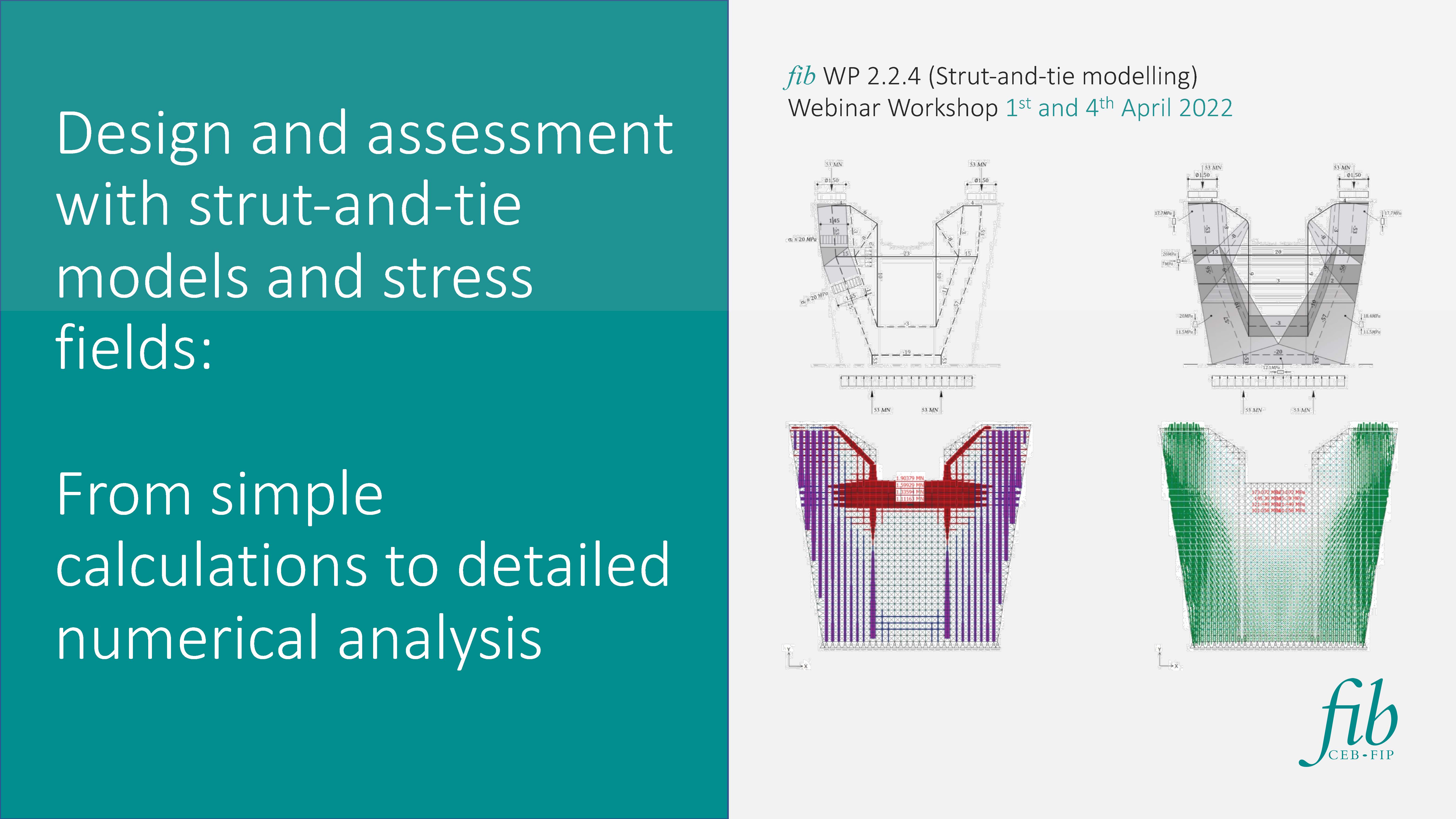
Structural Concrete, Vol. 6, no. 2, June 2005

19.08.2011   News

A. Jones, Arup Research and Development, London, UKThis paper discusses the influence that two types of drilling fluid, bentonite and a polymer, have on the bond capacity of reinforcement bars that are cast in concrete placed under them. Test results from both laboratory specimens and site tests are discussed and the results compared to capacities predicted by various codes. It is shown that Eurocode 2 predicts the bond capacity of bars in concrete cast under bentonite well, providing the assumption of poor bond conditions is made. The results for bars in concrete cast under polymers are less clear and there appear to be significant differences between the performance on site and that in the laboratory. 

Read more

Structural Concrete, Vol. 6, no. 1, March 2005

19.08.2011   News

R. J. Carvalho Silva, University of Brasilia, BrazilP. E. Regan, University of Westminster, UKG. S. S. A. Melo, University of Brasilia, BrazilThis paper presents the direct decompression method for calculating the punching strengths of post-tensioned slabs. It is a method already used for determining the shear strengths of beams. In many respects it is similar to the Fédération Internationale de la Précontrainte (FIP) treatment of punching in post-tensioned slabs, but it is simpler to use. The predictions of two variants of the direct decompression approach, and of the FIP method, are compared with the results of tests of slabs with various arrangements and profiles of tendons. It is shown that the direct method reduces the scatter of ratios of experimental and calculated strengths although all three approaches provide reasonable results. 


Read more

Structural Concrete, Vol. 6, no. 2, June 2005

19.08.2011   News

N. Elbasha, School of Civil, Mining and Environmental Engineering, University of Wollongong, AustraliaM. N. S. Hadi, School of Civil, Mining and Environmental Engineering, University of Wollongong, AustraliaThe strength and ductility of high-strength concrete (HSC) beams are enhanced through the application of helical reinforcement located in the compression region of the beams. The pitch of the helix is an important parameter controlling the level of strength and ductility enhancement of over-reinforced HSC beams. This paper presents an experimental investigation of the effect of helix pitch on the beam behaviour by testing five helically confined, full-scale beams. The helix pitches were 25, 50, 75, 100 and 160 mm. The cross-section of the beams was 200 300 mm, and with a length of 4 m and a clear span of 3.6 m subjected to four-point loading, with emphasis placed on the midspan deflection. The main results indicate that the helix had negligible effect when the helical pitch was 160 mm (helix diameter), the concrete cover spalling-off load increased linearly as the helical pitch increased, and the ultimate load decreased as the helical pitch increased. 

Read more
Structural Concrete, Vol. 6, no. 1, March 2005

19.08.2011   News

R. D. Neves, Concrete Division, LNEC, PortugalJ. C. O. Fernandes de Almeida, Civil Engineering Dept., Instituto Superior Tecnico, PortugalAn experimental study to investigate the influence of matrix strength, fibre content and diameter on the compressive behaviour of steel fibre reinforced concrete is presented. Two types of matrix and fibres were tested. Concrete compressive strengths of 35 and 60 MPa, 0.38 and 0.55 mm fibre diameter, and 30 mm fibre length, were considered. The volume of fibre in the concrete was varied up to 1.5%. Test results indicated that the addition of fibres to concrete enhances its toughness and strain at peak stress, but can slightly reduce the Young's modulus. Simple expressions are proposed to estimate the Young's modulus and the strain at peak stress, from the compressive strength results, knowing fibre volume, length and diameter. An analytical model to predict the stress-strain relationship for steel fibre concrete in compression is also proposed. The model results are compared with experimental stress-strain curves. 

Read more
Structural Concrete, Vol. 5, no. 4, December 2004

19.08.2011   News

K. Lundgren, Chalmers University of Technology, Göteborg, SwedenH. Broo, Chalmers University of Technology, Göteborg, SwedenB. Engström, Chalmers University of Technology, Göteborg, SwedenHollow core units are commonly subjected to shear and torsion, for example when placed in floors with openings or skew ends. Present design codes give rough estimations for how the torsional moment can be estimated. The aim of this work was to increase the understanding of torsion in hollow core floors, and to develop a modelling strategy suited to model complete hollow core floors subjected to shear and torsion, using the non-linear finite element method. In a simplified global model, the cross-section of each hollow core unit was represented by one beam element, and the neighbouring hollow core units were coupled by means of slave nodes in the corners, allowing compression but not tension. Comparisons with test results showed that the simplified global model can, with reasonable accuracy, describe the real behaviour of hollow core floors. Furthermore, the simplified global model was used together with solid elements in a part of a hollow core unit, to enable modelling of a shear and torsion failure. Good agreement with test results was obtained concerning failure mode, crack pattern, maximum load, and displacements. Thus, the modelling technique used appears to describe the actual situation in a good way. 

Read more
Structural Concrete, Vol. 5, no. 4, December 2004

19.08.2011   News

A. S. Alnauimi, Sultan Qaboos University, Sultanate of OmanP. Bhatt, University of Glasgow, UKTests were conducted on eight reinforced concrete hollow beams subjected to combined load of bending, shear and torsion. The beams were designed using the direct design method that was discussed in Part I. All beams had an overall cross-section dimension of 300 300 mm with a wall thickness of 50 mm. The overall length of the beam was 3800 mm. The two main variables in the series were the ratio in the web of the maximum elastic shear stress due to twisting moment to elastic shear stress due to shear force which varied between 0.59 and 6.84, and the ratio of the maximum twisting moment to the bending moment which varied between 0.19 and 2.62. The beams were experimentally tested in the University of Glasgow, Scotland, UK. Good agreement was found between the design and experimental failure loads. All beams failed near the design loads and had undergone ductile behaviour until failure. The results indicate that the direct design method can be successfully used to design reinforced concrete box beams for the combined effect of bending, shear and torsion loads.

Read more
Structural Concrete, Vol. 5, no. 3, September 2004

19.08.2011   News

Y. Li, Delft University of Technology, The NetherlandsT. Vrouwenvelder, Delft University of Technology, The NetherlandsG. H. Wijnants, Netherlands Organisation for Applied Scientific Research, Delft, The NetherlandsJ. Walraven, Delft University of Technology, The NetherlandsThis paper presents an improved and more realistic approach to evaluate the deterioration process and optimise the repair strategy of concrete structures. It is based on the commonly used probabilistic-based reliability analysis methods, but takes into account the spatial variability of concrete properties that has great impact on the design and maintenance decisions of structures. The developed approach is exemplified by the concrete bridge 'Wilpsedijk' in the Netherlands to show the service lifetime prediction based on spatial variability of concrete deterioration including initiation and propagation period. With respect to an established repair criterion, available repair options and the corresponding repair costs, the optimal lifetime repair strategy is determined. In comparison with most of the studies that neglect the variables with random spatial variability, the approach reflects the actual situation more realistically and can produce useful information as the proportion or percentage of the surface area that shows concrete deterioration during the whole period of time. It enables the planning of different repair and maintenance strategies for the structure from a practical point of view. 

Read more
Structural Concrete, Vol. 5, no. 4, December 2004

19.08.2011   News

A. S. Alnauimi, Sultan Qaboos University, Sultanate of OmanP. Bhatt, University of Glasgow, UKThis paper, Part I, presents a general 'direct design procedure' for the design of reinforced concrete hollow beams subjected to a combined load of bending, shear and torsion. Elastic stress field in conjunction with Nielsen's twodimensional yield criterion for reinforced concrete subjected to in-plane forces were used in the design of reinforcement. This procedure is based on and satisfies the lower bound theorem of the classical theory of plasticity. The main features of this procedure are the precluding of the use of empirical equations as is the case with existing codes of practice and in addition to satisfying the requirements of the theory of plasticity it reduces the ductility demand assumed by this theory. Comparison between the direct design procedure and the truss analogy showed that the direct design procedure leads to steel requirements close to those of the truss analogy when the angle of inclination of the struts is 458. The direct design procedure produced much less reinforcement than the American Concrete Institute and the British Standards Institute codes.

Read more
Structural Concrete, Vol. 5, no. 3, September 2004

19.08.2011   News

T. Pregartner, Engineering Office Eligehausen & Asmus, Stuttgart, GermanyJ. Cairns, School of the Built Environment, Heriot-Watt University, Edinburgh, UKJ. Ozbolt, Institute for Construction Materials, University of Stuttgart, GermanyIn the present paper a simple approach to model the effects of corrosion on bond between plain bar reinforcement and concrete with the finite element method (FE method) is shown. With the combination of a non-linear FE-solver and a discrete bond model it is sufficient to simulate corrosion by radial expansion of a concrete cylinder. The bond model used accounts for the effects of confinement and stresses in the vicinity of the reinforcement bar. Hence the effects of corrosion could be investigated with this simple approach. The model is calibrated on pull-out tests with RILEM specimen. Calculations conducted on beam end specimen containing plain surface bars show a plausible agreement with test results and with results known from literature. 

Read more
Structural Concrete, Vol. 5, no. 2, June 2004

19.08.2011   News

R. Vedalakshmi, Corrosion Science and Engineering Division, Central Electrochemical Research Institute, KaraikudiS. Srinivasan, Corrosion Science and Engineering Division, Central Electrochemical Research Institute, KaraikudiK. Ganesh Babu, Department of Ocean Engineering, Indian Institute of Technology, Madras, IndiaIn the present investigation the strength and permeability characteristics of blended cements such as Portland pozzolana cement and Portland slag cement were evaluated in 20, 30 and 40 MPa concretes. The cements were produced by intergrinding mineral admixtures such as fly ash and slag with clinker and gypsum in the plant. The compressive strength over a period of 1 year and water permeability at the end of 7, 28 and 90 days were evaluated and the results were compared with ordinary Portland cement. Thermo-gravimetric analysis was also carried out to assess the pozzolanic reaction of blended cements. The results show that blended cement concretes have lower strength than Portland cement concrete at all ages in all of the grades of concrete studied. Porosity in terms of water absorption of blended cement concretes is less than Portland cement concretes in 20 MPa concrete but was not significantly different in 30 and 40 MPa concretes. Thermo-gravimetric and differential thermal analysis reveals that there is a reduction in Ca(OH)2 content in blended concretes indicating the consumption of hydroxide in pozzolanic reaction. 

Read more
Structural Concrete, Vol. 5, no. 2, June 2004

19.08.2011   News

A.W. Beeby, The University of Leeds, UKMany formulae for the prediction and control of crack widths in reinforced concrete members assume that the transfer length over which force is transferred by bond from the reinforcement to the concrete on either side of a crack is proportional to the parameter φ/ρeff, where φ is the bar diameter and ρeff is an effective reinforcement ratio. This paper aims to examine the validity of this assumption by comparing the predictions of the theory which leads to the derivation of the parameter φ/ρeff to data from experimental programmes where crack widths were measured. These comparisons strongly suggest that φ/ρeff has minimal influence on crack widths. 

Read more
Structural Concrete, Vol. 5, no. 2, June 2004

19.08.2011   News

Y. Gholipour, Department of Civil Engineering, University of Tehran, IranStructures are often subjected to various types of dynamic loads and the need to accurately predict the structural response and reserve capacity under such loading has led to an interest in the properties of composite materials. Fibre reinforcement improves the dynamic behaviour of reinforced concrete and ferro cement under impact loading. This paper reports an experimental investigation of the dynamic behaviour of composite slab panels under impact loads. Impact tests were carried out on various types of fibre-reinforced cement concrete slabs and fibre-reinforced ferro-cement slabs to study the influence of fibres on the energy absorption. The response of all the above specimens were examined and compared. Analytical solutions were obtained from a finite element analysis and the results are also compared. 

Read more
Structural Concrete, Vol. 5, no. 1, March 2004

19.08.2011   News

E. Caetano, Faculty of Engineering of the University of Porto, PortugalA. Cunha, Faculty of Engineering of the University of Porto, PortugalThis paper describes the experimental and numerical study of the dynamic behaviour of a stress-ribbon footbridge constructed at the campus of the Faculty of Engineering of the University of Porto, Portugal. This bridge has not displayed any vibration problem, as yet, but significant levels of vertical oscillation have been observed under pedestrian use. Therefore, a site observation programme was developed in order to assess the main dynamic characteristics and levels of vibration of the bridge, to compare them with limit values recommended by structural codes, and to validate a numerical model to be used in predicting the bridge response under extreme loadings. 

Read more
Structural Concrete, Vol. 5, no. 1, March 2004

19.08.2011   News

N. Shafiq, Department of Civil Engineering, University Technology Petronas, Tronoh, Perak, MalaysiaThis study investigated the effects of fly ash on chloride migration in concrete and calculation of cover depth in order to protect the embedded steel reinforcement against the occurrence of severe corrosion. A rapid chloride migration test was conducted for determination of the coefficient of chloride diffusion. The resulting coefficient of chloride diffusion was used for calculation of minimum cover depth required for a specified service life of concrete structure. Concrete made of 40 and 50% fly ash as partial replacement of cement resulted in a lower coefficient of chloride diffusion and hence a cover depth of 75 mm or less was calculated for a specified service life of 120 years. On the other hand a higher value of the coefficient of chloride diffusion was determined for 100% ordinary Portland cement (OPC) concrete, therefore a thick concrete cover such as 150 mm was calculated for a similar life span. 

Read more
Structural Concrete, Vol. 5, no. 1, March 2004

19.08.2011   News

A. A. Di Maio, CONICET-LEMIT, ArgentinaL. J. Lima, University of La Plata, ArgentinaL. P. Traversa, CIC-LEMIT, ArgentinaSteel corrosion is one of the main causes of damage in reinforced concrete structures. Recent studies carried out in Argentina indicate that the percentage of damage in concrete structures induced by corrosion of reinforcement is 16%. In structures located in marine environments the corrosion is due fundamentally to the action of chlorides. Chlorides penetrate concrete by different processes; in structures exposed to atmosphere, the ingress process is by diffusion. Ingress depends on the characteristics of concrete and of its distance to the sea (marine environment). In this paper, assessment of durability of concrete structures exposed to marine (Atlantic Ocean coast) environments is reported. The ages of the evaluated structures, bridges and buildings, vary between five and 67 years. Surface chlorides concentration (environmental loads) and the effective diffusion coefficient, calculated using Fick's second law, are included. Furthermore, the quality of the cover concrete is characterised by means of the specific gravity and porosity accessible to water methods.

Read more
Structural Concrete, Vol. 3, no. 3, December 2002

19.08.2011   News

Vijay Chandra, Parsons Brinckerhoff Quade and Douglas, Inc.Anthony L. Ricci, Massachusetts Turnpike AuthorityPaul J. Towell, Parsons Brinckerhoff Quade and Douglas, Inc.Keith Donington, Parsons Brinckerhoff Quade and Douglas, Inc.Boston, in the forefront of the American Revolution over two centuries ago, is now in the forefront of another revolution - in the field of cable-stayed bridge technology. A highly complicated structure, unique in the world, is complete. New technologies and innovations have become hallmarks of the Leonard P. Zakim Bunker Hill Bridge. This crossing of the Charles River at the north end of Boston was a challenging assignment from the start. It brought the community, engineers, and architects together to create a 'signature bridge' and a 'gateway' to the city. Located at a pre-eminent point where Paul Revere crossed in 1775, warning colonists that the British were coming, the bridge took on special meaning from a historical perspective. Numerous alternatives were studied for the crossing and the interchange configurations on both sides of the river. Eventually, the option known as the 'non-river tunnel' alternative was chosen, which required a ten-lane crossing of the Charles River. The ten lanes include four lanes each for Interstate 93 (I-93) northbound and southbound, as well as a two-lane ramp on the east side. Some impediments the bridge had to contend with included the Orange Line subway adjacent to and below the bridge; the close proximity of the Charles River lock and dam, and the need to maintain navigation; a major water main in the area of the south tower footing; a cantilevered two-lane ramp on only one side of the structure; the existing Storrow Drive ramps at the south end, dictating the arrangement of the stay cables in the back spans; and a new tunnel at the south end of the structure.

Read more
Structural Concrete, Vol. 3, no. 3, December 2002

19.08.2011   News

Vijay Chandra, Parsons Brinckerhoff Quade and Douglas, Inc.Anthony L. Ricci, Massachusetts Turnpike AuthorityHany Riad, Parsons Brinckerhoff Quade and Douglas, Inc.Jonathan Hren, Parsons Brinckerhoff Quade and Douglas, Inc.Boston's Central Artery/Tunnel project is the largest infrastructure undertaking ever attempted at a single US location. It involves reconstructing Interstate 93 (I-93) by depressing it into a tunnel and subsequently removing the original elevated highway (known as the 'Central Artery'). The new I-93 will emerge from the tunnel near the south bank of the Charles River and rise to cross the river on a cable-stayed bridge. This structure, unique in the world, will be both longitudinally and transversely asymmetrical. The second phase of the project extends the Massachusetts Turnpike (I-90) through South Boston and under Boston Harbour to Logan International Airport. This paper reports on the current status of the project and its many interchanges.

Read more
Structural Concrete, Vol. 3, no. 3, December 2002

19.08.2011   News

Paul J. Towell, Parsons Brinckerhoff Quade and Douglas, Inc.Vijay Chandra, Parsons Brinckerhoff Quade and Douglas, Inc.Peter A. Mainville, Parsons Brinckerhoff Quade and Douglas, Inc.Elie Homsi, Rizzani de EccherThe first part of this series of articles on Boston's Central Artery/Tunnel project presented an overview of the scope of the work and the many interchanges that form the hubs of the project. This second paper describes the innovative use of precast segments, as well as other construction techniques, on two major interchanges.

Read more
Structural Concrete, Vol. 3, no. 3, September 2002

19.08.2011   News

K. S. Elliott, University of NottinghamMixed construction is now being used in the majority of new multi-storey buildings, once the traditional domain of cast-in-situ concrete and structural steelwork. Mixed precast construction means the combined use of precast concrete with steelwork, timber, cast-in-situ concrete and masonry. The combination is made for the benefit of the building process at large and does not necessarily have to be designed and constructed compositely. Mixed construction maximises the structural and architectural advantages in combining components made of different materials, but it requires the cooperation of the architect, structural designer, services engineer, manufacturer, supplier and contractor. It is possible that some client and architectural demands can only be satisfied using mixed construction. In 2002 the fib Commission 6 on Prefabrication will publish a state-of-the-art report on the use of precast concrete in mixed construction. This paper summarises the report.

Read more
Structural Concrete, Vol. 3, no. 3, December 2002

19.08.2011   News

Z. Smerda Technical University Brno, VIAPONT Ltd, Brno, Czech RepublicJ. Smerda VIAPONT Ltd, Brno, Czech RepublicThe rising volume of traffic on concrete road bridges has caused designers to consider the problem of permanent deflections caused by repeated traffic loading. However, it should be stated that the correct method for calculating such deflections is currently unclear and consequently gives rise to unrealistic estimations. Moreover, a lack of knowledge regarding the full spectrum of traffic loads and the effects of repeated loads upon concrete deformation exacerbate the problem. This paper attempts to determine the permanent deflection of prestressed concrete bridges without cracks.

Read more
Structural Concrete, Vol. 3, no. 3, December 2002

19.08.2011   News

Catherine G. Papanicolaou, University of Patras, GreeceThanasis C. Triantafillou, University of Patras, GreeceThis paper presents a minimum cost design procedure for precast structural sandwich panels made of HPC (high-performance concrete - i.e. high-strength and fibre-reinforced) faces and a pumice aggregate concrete (PAC) core, which might also include a layer of thermal insulating material. Attention has been focused on the selection of materials' strength and members' geometrical parameters, as well as on the material cost functions for both concrete types. The strength-based design case study resides with the format of Eurocode 2 and takes into consideration failure modes associated with in-plane loading, such as flexure, shear and local buckling of the compressed faces, with respect to the presence of the insulating layer. The solution of the optimisation problem is attained through the development of a computer program using available algorithm codes provided by Matlab®. The optimisation procedure results in the derivation of design recommendations, which encompass the objective of minimum cost for the elements under investigation.

Read more
Structural Concrete, Vol. 3, no. 3, September 2002

19.08.2011   News

Neil R. Short, Aston University, BirminghamJohn A. Purkiss, Aston University, BirminghamSarah E. Guise, Aston University, BirminghamPetrographic techniques have been developed to determine the nature and density of cracks that have developed after subjecting concrete to steady-state and transient heating regimes. The steady-state investigations showed that there was a good correlation between measurements of crack density and measurements of residual compressive strength. Crack density measurements taken on samples after transient heating have shown that the depth to which the compressive strength of the concrete is likely to have been significantly affected can be identified. Thus, this technique should provide very useful information for the evaluation of fire-damaged concrete.

Read more
Structural Concrete, Vol. 3, no. 3, September 2002

19.08.2011   News

Sérgio M. R. Lopes, University of Coimbra Ricardo N. F. do Carmo, Polytechnic of Coimbra This paper presents an experimental study on the bond of strands prestressed by pretensioning to concrete. Ten beams with different cover values were tested and the results are presented and analysed. In eight of the beams, transfer of the prestressing force was gradual, and sudden in the remaining two beams. A relationship between the transmission length and the bond draw-in at the end of the beam is proposed and compared with predictions found in the literature. The variation of the tendon force along the transmission length is also plotted on graphs and the results are compared with those proposed by Rôs. The comparison with Rôs' predictions shows that experimental values obtained in the current investigation deviate from the expected values by up to 10%.

Read more
Structural Concrete, Vol. 3, no. 2, June 2002

19.08.2011   News

G. De Schutter, Ghent University, Belgium K. Audenaert, Ghent University, Belgium J. De Rouck, Ghent University, Belgium LD-slag is an industrial by-product resulting from the transformation of hot metal into steel by oxygen refining. In order to avoid waste disposal, the incorporation of LD-slag in concrete armour units for breakwaters has been studied. Due to the higher density of LD-slag in comparison with traditional aggregates, a higher hydraulic stability of the armour units is obtained for a given unit size. Static loading tests showed that the mechanical behaviour of breakwater armour units made with the LD-concrete is comparable to the mechanical behaviour of units made with traditional concrete. However, durability problems might occur due to an insufficient volume stability of the LD-slag. To overcome this problem, treated slag has to be used.

Read more
Structural Concrete, Vol. 3, no. 3, September 2002

19.08.2011   News

Sérgio M. R. Lopes, University of Coimbra Ricardo N. F. do Carmo, Polytechnic of Coimbra This paper presents an experimental study on the bond of strands prestressed by pretensioning to concrete. Ten beams with different cover values were tested and the results are presented and analysed. In eight of the beams, transfer of the prestressing force was gradual, and sudden in the remaining two beams. A relationship between the transmission length and the bond draw-in at the end of the beam is proposed and compared with predictions found in the literature. The variation of the tendon force along the transmission length is also plotted on graphs and the results are compared with those proposed by Rôs. The comparison with Rôs' predictions shows that experimental values obtained in the current investigation deviate from the expected values by up to 10%.

Read more
Structural Concrete, Vol. 3, no. 2, June 2002

19.08.2011   News

M. Virlogeux, Consulting Engineer and Designer This paper aims to give an overview of the recent evolution in the design and construction of prestressed concrete bridges worldwide. Several major trends are evidenced. Certainly those which have the larger influence for the industry due to their wide applications are the development of external prestressing, now systematically used in some countries for medium span bridges; the emergence of high performance concrete which extends the possibilities at the same time as improving the durability of concrete structures; and the more and more frequent association of steel and concrete to constitute composite bridges of different types and composite elements in bridges, allowing for many innovative structures. Considering more specific applications, a section is devoted to cable-stayed bridges which received very interesting development during the last ten years; and another section evokes the more and more extensive use of heavy prefabrication in large projects, with elements up to several thousand metric tons. The paper concludes with a word on bridge architecture, showing that good structural designs can produce elegant prestressed concrete bridges.

Read more
Structural Concrete, Vol. 3, no. 2, June 2002

19.08.2011   News

Karin Lundgren, Chalmers University of Technology, Goteborg, Sweden Until recently, splicing of the reinforcement in frame corners had not been allowed by the Swedish Road Administration. Since this has led to reinforcement layouts that were hard to realise on site, the effect of splices placed in corner regions were examined. Four frame corners with differing detailing were tested. Furthermore, detailed three-dimensional non-linear finite element analyses of corners were conducted. The splitting stresses resulting from the anchorage were taken into account by the use of a new model of the bond mechanism. A parameter study of the importance of the loading conditions was made with two-dimensional models. The tests and analyses show that splicing the reinforcement in the middle of the corner has advantages over placing splices outside the bend of the reinforcement. They also indicate, in agreement with the previous analyses and tests, that provided the splice length is as long as required by the codes, there are no disadvantages in splicing the reinforcement within the corner of a frame.

Read more
Structural Concrete, Vol. 3, no. 2, June 2002

19.08.2011   News

Kjell T. Fosså, Norwegian University of Science and Technology, Trondheim, Norway Magne Maage, Selmer Skanska AS, Oslo, Norway Tests are carried out in a vertical slipform rig in order to identify the main parameters affecting the lifting stress (friction) during lifting of the slipform panel. The results show that there is an almost linear correlation between the net lifting stress and the effective pressure. This means that the net lifting stress can be calculated based on the effective pressure by using the friction law. The lifting stress is affected by both the particle shape of the aggregates, roughness of the slipform panel and the workability in the early phase. The results also show that lower air content and a finer pore system (finer particle size distribution and higher particle concentration) in the concrete will result in a higher maximum lifting stress (friction). Also a lower lifting height or lower frequency will increase the lifting stress. It is assumed that higher lifting stress will increase the risk for surface damages during lifting of the slipform.

Read more
Structural Concrete, Vol. 3, no. 1, March 2002

19.08.2011   News

Jorge de Brito, Technical University of Lisbon, Portugal Sonia Santos, BRISA, Portugal Fernando A. Branco, Technical University of Lisbon, Portugal Guidelines that relate to the design of concrete road and railway bridges are presented in this paper in order to guarantee the durability of bridges through easier inspection procedures -- the concept of inspectionability. The main characteristics that must be conferred on these structures, in order to facilitate access to all of their elements which are most prone to inspection/maintenance, are defined. In this context, access to the bridge elements and the equipment installed (bearings and joints) is paramount. The inspection auxiliary means are classified by traditional methods, by specific design detailing and by specific inspection equipment. Each of these groups is described and examples of their use are presented.

Read more
Structural Concrete, Vol. 3, no. 1, March 2002

19.08.2011   News

H. Otsuka, Graduate School of Civil Engineering, Kyushu University T. Wakasa, New Structural Engineering Ltd J. Ogata, Ingerosec Corporation W. Yabuki, Graduate School of Civil Engineering, Kyushu University D. Takemura, Graduate School of Civil Engineering, Kyushu University Following recent developments in prestressed concrete bridges, this paper examines extradosed and cable-stayed structures, particularly with regard to the evaluation of seismic performance and the economical considerations in a seismic region, and provides designers with guidance for choosing the most appropriate structure.

Read more
Structural Concrete, Vol. 3, no. 1, March 2002

19.08.2011   News

J. Moksnes, Honorary president fib, Norway M. Maage, Selmer Skanska, Norway This paper presents the costs and the associated added value and profit for a selection of concrete research and development (R&D) programmes in Norway during 1980-2000. The estimated figures give a ratio of added value, or return on investments, to costs equal to 19. This ratio is remarkably high and demonstrates that industry based R&D can be a profitable investment. The major beneficiaries of the added value are the clients of the industry and society, through reduced costs and better products and solutions.

Read more
Structural Concrete, Vol. 4, no. 4, December 2003

19.08.2011   News

Mounir Khalil El Debs, University of Sao Paulo at Sao Carlos, Brazil Aline da Silva Ramos Barboza, Federal University of Alagoas, Brazil Anamaria Malachini Miotto, Tuiuti University of Parana, Brazil Bearing pads are used in precast concrete connections to provide a more uniform distribution of contact stresses over the bearing areas and to allow relative movements between precast concrete elements, in order to prevent cracking at the connection area. This paper presents the study of an alternative material made with styrene-butadiene latex modified on Portland cement mortar, polymeric fibres, and, eventually, lightweight aggregate (vermiculite). The developed material showed a good compression strength and low elasticity modulus. These characteristics make it suitable for use as bearing pads in precast concrete connections, such as beam-to-column connections or wall-to-wall connections. The paper shows the main characteristics of this material and the application and tests on: (a) beam-to-column connections and (b) samples that reproduce a wall-to-wall connection.

Read more
Structural Concrete, Vol. 4, no. 4, December 2003

19.08.2011   News

Stefan L. Burtscher, University of Technology, Vienna Johann Kollegger, University of Technology, Vienna It is well known from literature that heterogeneous granular materials exhibit a size effect under tensile loading. Thus, the strength determined in experiments is not a material property. Some experiments have been performed regarding the size effect in tension whereas very few experiments have been performed in compression. However, compressive loading of concrete is more important because concrete is applied in structural systems to carry load in compression and not in tension. Furthermore, a compressive failure in a load-carrying member is more brittle, and in most cases more dangerous, than a tensile failure. Experimental investigations on the size effect are therefore needed. Experiments from literature on column-like specimens under compressive loading were performed up to a size range of 1:4. The size range of a series of geometrically equal specimens is given by the amplification factor of a characteristic dimension from the smallest to the largest specimen size. Obviously large size ranges are advantageous for experimental studies on size effect. The largest size range (1:16) of experiments on concrete under compressive loading carried out so far will be presented in this paper. This series was performed in one of the largest testing facilities available. A size effect on nominal strength was detected. The results are compared with the two most common size-effect laws.

Read more
Structural Concrete, Vol. 4, no. 4, December 2003

19.08.2011   News

Stefan L. Burtscher, University of Technology, Vienna Johann Kollegger, University of Technology, Vienna It is well known from literature that heterogeneous granular materials exhibit a size effect under tensile loading. Thus, the strength determined in experiments is not a material property. Some experiments have been performed regarding the size effect in tension whereas very few experiments have been performed in compression. However, compressive loading of concrete is more important because concrete is applied in structural systems to carry load in compression and not in tension. Furthermore, a compressive failure in a load-carrying member is more brittle, and in most cases more dangerous, than a tensile failure. Experimental investigations on the size effect are therefore needed. Experiments from literature on column-like specimens under compressive loading were performed up to a size range of 1:4. The size range of a series of geometrically equal specimens is given by the amplification factor of a characteristic dimension from the smallest to the largest specimen size. Obviously large size ranges are advantageous for experimental studies on size effect. The largest size range (1:16) of experiments on concrete under compressive loading carried out so far will be presented in this paper. This series was performed in one of the largest testing facilities available. A size effect on nominal strength was detected. The results are compared with the two most common size-effect laws.

Read more
Structural Concrete, Vol. 4, no. 3, September 2003

19.08.2011   News

L. F. A. Bernardo, Lecturer, University of Beira Interior, Covilhã, Portugal S. M. R. Lopes, Assistant Professor, FCTUC, University of Coimbra, Portugal This paper describes an experimental study on the flexural ductility of high-strength concrete beams. Nineteen isostatic beams, simply supported, were tested in the course of this work. Two symmetrical concentrated loads were applied to the beams at intervals of approximately one-third of the span. Ductility was studied by defining certain parameters, which have been termed ductility indexes. The main variables in this study are the compressive strength of the concrete and the longitudinal tensile reinforcement ratio. The results of the tests are examined and discussed, and some conclusions are drawn. The test results were compared with recommendations suggested by codes of practice and again conclusions are drawn.

Read more
Structural Concrete, Vol. 4, no. 3, September 2003

19.08.2011   News

Eva M. Eichinger, Vienna University of Technology, Institute for Structural Concrete, Vienna, Austria Thomas Petraschek, Vienna University of Technology, Institute for Structural Concrete, Vienna, Austria Johann Kollegger, Vienna University of Technology, Institute for Structural Concrete, Vienna, Austria In order to assess the influence of the bond action between wires, injection grout and the surrounding concrete on the ultimate load of damaged post-tensioning tendons more accurately, a series of tensile tests on tendons, which were built using old wires from a demolished bridge, was carried out. Wire breakage was included in the tendons at specified patterns. The results of the test series show that tendons with damaged or broken wires are able to carry a very high percentage of the ultimate load of an undamaged tendon. Even in situations where no confinement of stirrups in the surrounding concrete is present, the load-carrying capacity of tendons with broken wires is excellent. If the distance between the wire breakages is about half the anchorage length, the decrease in strength is about 20%. The results of these tests will be used to assess the tendon strength in comparable bridge structures where damage to the tendon is likely to be present.

Read more
Structural Concrete, Vol. 4, no. 3, September 2003

19.08.2011   News

Anders Ansell, Postdoctoral fellow, Department of Civil and Architectural Engineering, Royal Institute of Technology (KTH), Stockholm, Sweden Johan Silfwerbrand, Director, Swedish Cement and Concrete Research Institute (CBI), Stockholm, Sweden During early age, concrete is vulnerable to disturbance from vibrations of large magnitudes. Today, conservative vibration limits are used as standards, and guidelines provide little information. The literature cited in this study contains experiences and results from the construction and civil engineering field, in-situ testing, laboratory testing and computer modelling. On the basis of the reviewed literature, recommended maximum vibration levels for young and early-age concrete are given.

Read more
Structural Concrete, Vol. 4, no. 3, September 2003

19.08.2011   News

K. Diamoutene, Wroclaw University of Technology, Poland M. Kaminski, Wroclaw University of Technology, Poland The results of experimental research carried out on reinforced-concrete storage silos and of a numerical analysis of the temperature distribution in the silo wall are presented. Temperature fields in the structure were determined and the finite element method was applied to analyse the forces and moments generated by the thermal fields.

Read more
Structural Concrete, Vol. 4, no. 2, June 2003

19.08.2011   News

R. N. F. do Carmo, Department of Civil Engineering, ISEC-Polytechnic Institute of Coimbra Portugal S. M. R. Lopes, Department of Civil Engineering, FCTUC-Polo II-University of Coimbra Portugal L. F A. Bernardo, Department of Civil Engineering, University of Beira Interior Portugal Evaluating the ducility of reinforced concrete beams is essential in order to avoid a fragile collapse of the structure by ensuring an adequate deformation at ultimate load. This paper presents a theoretical model for the calculation of plastic rotation. Results obtained are compared with those obtained from an experimental programme in which a set of beams were tested to failure. From the comparison, a good agreement between theoretical and experimental results was achieved. The proposed theoretical model considers the influence of certain factors: steel properties, concrete strength, section depth, and the tension stiffening effect. Concrete strength, particularly, is an interesting parameter since for high-strength concrete, the ultimate concrete strain, εcu, decreases as the concrete strength increases.

Read more
Structural Concrete, Vol. 4, no. 3, September 2003

19.08.2011   News

Catherine French, University of Minnesota, USA This paper provides a brief overview of Session 8 'Durability of Concrete Structures' of the fib 2002 congress on Concrete Structures in the 21st Century, which was held in Osaka on 13-19 October 2002. The keynote speaker of the session, Dr Odd E. Gjørv, Professor and Head of the Department of Building Materials at the Norwegian University of Science and Technology at Trondheim, has conducted concrete research for more than 40 years. His research has focused on a broad range of topics related to the durability of reinforced and prestressed concrete structures in severe environments. His paper addressed durability and service-life issues of concrete structures. In addition to the keynote address, more than 50 papers were considered for this session, covering topics in the following areas: general issues related to concrete serviceability and durability, corrosion of reinforcement, and grouting of post-tensioned systems, as well as several case studies. The highlights of some of the papers are described here.

Read more
Structural Concrete, Vol. 4, no. 2, June 2003

19.08.2011   News

I. Kovacs, College Faculty of Technology, Department of Civil Engineering, University of Debrecen, Hungary G. L. Balazs, Budapest University of Technology and Economics, Department of Construction Materials and Engineering Geology, Hungary Results of an experimental study on 21 fibre reinforced concrete beams indicate that steel fibres do not only increase shear capacity but also provide substantial post-peak resistance and ductility in conventionally reinforced beams as well as in prestressed pretensioned concrete beams. The tests were carried out on 2m long beam specimens reinforced with longitudinal bars and fibres. Test variables were amount and type of fibres, amount of stirrups and type of longitudinal reinforcement (prestressed or non-prestressed).

Read more
Structural Concrete, Vol. 4, no. 2, June 2003

19.08.2011   News

I. Kovacs, College Faculty of Technology, Department of Civil Engineering, University of Debrecen, Hungary G. L. Balazs, Budapest University of Technology and Economics, Department of Construction Materials and Engineering Geology, Hungary Results of an experimental study on 21 fibre reinforced concrete beams indicate that steel fibres do not only increase shear capacity but also provide substantial post-peak resistance and ductility in conventionally reinforced beams as well as in prestressed pretensioned concrete beams. The tests were carried out on 2m long beam specimens reinforced with longitudinal bars and fibres. Test variables were amount and type of fibres, amount of stirrups and type of longitudinal reinforcement (prestressed or non-prestressed).

Read more
Structural Concrete, Vol. 4, no. 1, March 2003

19.08.2011   News

Jiri Strasky, Technical University of Brno, and Strasky Husty and Partners, Brno, Czech Republic The idea of prestressing - a product of the twentieth century - has announced the single most significant new direction in structural engineering of any period in history. It put into the hands of the designer an ability to control structural behaviour and, at the same time, it enabled the designer - or forced the designer - to think more deeply about the construction. Moreover, the idea of prestressing opened up new possibilities for a form that influences the general culture. To focus on that fact, and to narrow the scope, the paper will consider bridges only, even though prestressing has broad applications to all kinds of buildings. However, the idea of prestressing arose out of bridge design, and its most impressive forms, from a purely engineering viewpoint, have appeared in bridges.

Read more
Structural Concrete, Vol. 4, no. 1, March 2003

19.08.2011   News

Rajaiah Selvaraj, Central Electrochemical Research Institute, Tamilnadu, India Srinivasan Muralidharan, Central Electrochemical Research Institute, Tamilnadu, India Seshadri Srinivasan, Central Electrochemical Research Institute, Tamilnadu, India The effect of silica fume in concrete is reviewed from the point of view of chloride diffusion, carbonation, oxygen diffusion, the pH of the pore solution and electrical resistivity, as they are the main parameters influencing the corrosion phenomenon in concrete.

Read more
Structural Concrete, Vol. 4, no. 1, March 2003

19.08.2011   News

Niels C. Lind, University of Waterloo, Canada Structural safety is a part of general safety in a society. Safety factors should conform to a general rationale for all life safety. Two rationales are presented here, using a principle of time economy and using social indicators. The common-sense time principle of risk management states that a `life-saving' alternative, if it is truly to save lives, should return to the community more years of life in good health than the years of work consumed to pay for its cost. Alternatively, a risk acceptability criterion can be derived from a compound social indicator that reflects general benefit to society and that is a function of gross domestic product and life expectancy. To be acceptable, alternatives should increase the social indicator. The two compound social indicators, the Life Quality Index and the Human Development Index, yield practically identical criteria for risk acceptance.

Read more
Structural Concrete, Vol. 4, no. 1, March 2003

19.08.2011   News

A. H. J. M. Vervuurt, TNO Building and Construction Research, the Netherlands N. Kaptijn, Dutch Ministry of Transport and Public Works W. B. Grundlehner, Spanstaal BV, the Netherlands In mid-2001 the final two bridges over the River Dintelhaven in the harbour area of Rotterdam were put into use. Both bridges are concrete box girder bridges and have been erected using the balanced cantilever method. In the first bridge, with a main span of about 185 m, four (external) tendons each with 91 carbon fibre reinforced wires (5 mm diameter) have been applied next to conventional steel tendons. The project is the result of an initiative that was started in 1994 by the Civil Engineering Division of the Dutch Ministry of Transport and Public Works and the CUR (Dutch Centre for Civil Engineering Research and Codes). In order to guide the activities, with regard to the application of the carbon fibre reinforced plastic (CFRP) tendons in the Dintelhaven Bridge, experiments were carried out at TNO Building and Construction Research, focussing upon the long- and short-term behaviour of the CFRP wires and tendons. In this paper the results of these tests are presented. Moreover, in the paper, attention is paid to the manufacturing of the tendons, as well as the installation of the tendons in the bridge.

Read more

All the news